Supply Chain (Post Harvest Storage & Logistics)
Post-Harvest Potato Handling - How to Reduce Damage and Storage Losses
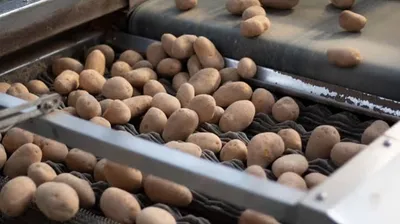
A good potato harvest can lose value if tubers are handled carelessly after digging. Cuts, bruises, excess moisture and poor handling can reduce quality and increase losses during transport or storage. Farmers should plan post-harvest handling as carefully as planting and harvesting.
1. Allow the Skin to Set Before Handling
Potatoes meant for storage need sufficiently mature skin that does not rub off easily. If the skin is still tender, tubers can get damaged during loading and transport.
- Check skin maturity before harvesting.
- Avoid rough handling and unnecessary movement.
- Follow suitable curing and storage guidance for the potato variety and intended use.
2. Avoid Cuts, Bruises and Impact Damage
Damaged potatoes can lose moisture, develop rot and become unsuitable for sale or storage.
- Dig carefully to avoid cutting tubers.
- Do not throw potatoes into heaps, bags or vehicles.
- Use clean containers and avoid excessive pressure during stacking.
- Keep damaged and rotten tubers separate from healthy potatoes.
3. Keep Harvested Potatoes Dry and Well Handled
Wet potatoes can be more vulnerable to decay, particularly when placed in unsuitable storage conditions.
- Avoid harvesting in excessively wet soil where possible.
- Remove loose soil gently; do not wash potatoes intended for ordinary dry storage.
- Keep harvested lots protected from rain and direct sunlight.
- Do not pack wet potatoes into bags or send them directly into storage without appropriate preparation.
4. Sort Potatoes Before Selling or Storing
Sorting helps farmers maintain lot quality and reduces disputes with buyers.
| Check | What to do |
|---|---|
| Size and variety | Separate according to buyer requirements |
| Cuts and bruises | Keep damaged tubers separate |
| Rot and disease | Remove affected tubers |
| Moisture | Avoid packing wet potatoes |
| Intended use | Grade separately for fresh sale, seed or processing where required |
5. Plan Transport and Cold Storage in Advance
Before dispatch, confirm the buyer's requirements, transport arrangements and storage conditions.
For cold storage, discuss the variety, intended use, storage temperature, fees and expected storage period with the operator. Different potato uses require different storage conditions. Storage also involves costs, so farmers should compare expected selling returns with rent, transport, handling and possible quality losses.
Common Mistakes to Avoid
- Throwing or dropping potatoes during loading.
- Mixing rotten tubers with healthy produce.
- Leaving harvested potatoes exposed to rain or strong sunlight.
- Sending wet or poorly prepared potatoes into storage.
- Assuming that storing potatoes will always result in a higher selling price.
PB Takeaway
Careful handling after harvest protects potato quality and helps farmers reduce avoidable losses. Mature skin, gentle loading, proper sorting and planned transport or storage can make a meaningful difference to the final sale value.