Farming (Agronomy)
How Traders Assess a Potato Lot Before Buying
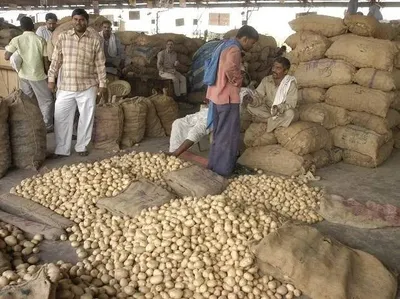
Before buying potatoes, traders assess more than just the quantity available. Quality, size, variety, uniformity, damage and current market demand all influence the price they offer.
Farmers who understand these checks can prepare their produce better, compare buyer offers and make more informed selling decisions.
1. Appearance and Freshness
Traders usually inspect the overall appearance of the potatoes. Clean, firm and healthy tubers are generally easier to sell.
They look for signs of rotting, greening, sprouting, cuts, bruises and disease damage. The level of defects can affect the grade, price or acceptance of a lot.
2. Size and Uniformity
Traders check whether the potatoes are reasonably uniform in size. Mixed-size lots may need additional sorting, which can increase handling costs.
The preferred size depends on the buyer and end use. Potatoes for fresh consumption may have different requirements from those intended for chips, French fries or seed.
3. Variety and Intended Market
Different varieties have different market demand and uses. Traders consider whether the variety is suitable for their customers and whether there is demand for it in the current market.
A variety with strong demand in one market may not receive the same price in another.
4. Weight, Defects and Lot Consistency
Traders assess the quantity available and the consistency of the lot. They may inspect multiple bags or different parts of the lot to understand whether the quality is uniform.
They also consider the proportion of damaged or defective potatoes. A lot with significant rot, cuts or other defects may receive a lower offer or require sorting.
5. Market Rates and Selling Costs
Even good-quality potatoes can receive different offers depending on market conditions.
Traders consider current mandi prices, market arrivals, buyer demand, transport, loading, unloading, commission and expected selling costs before deciding their purchase price.
What Do Traders Check Before Buying?
| Check | Why It Matters |
|---|---|
| Appearance | Shows visible quality and freshness |
| Size and grading | Helps match buyer requirements |
| Variety | Determines suitability and market demand |
| Defects | Can reduce saleable quantity and value |
| Lot uniformity | Affects sorting and handling |
| Market rate | Helps determine a competitive offer |
| Transport costs | Influences the final buying price |
How Farmers Can Prepare Their Lot
- Keep damaged, rotten and healthy potatoes separate.
- Sort potatoes according to size where practical.
- Avoid unnecessary cuts and bruises during handling.
- Know the variety and approximate quantity available.
- Check current mandi rates and compare offers from buyers.
- Confirm weighing, transport and other deductions before finalising the sale.
PB Takeaway
A trader's offer depends on both potato quality and the cost of selling it onward. Uniform grading, careful handling and clear information about the variety and quantity can make the buying process smoother.
Before accepting an offer, farmers should compare the price, quality deductions, weighing terms and transport costs—not just the quoted rate.