Supply Chain (Post Harvest Storage & Logistics)
Cold Storage Planning Starts Before Harvest — What Farmers Should Know
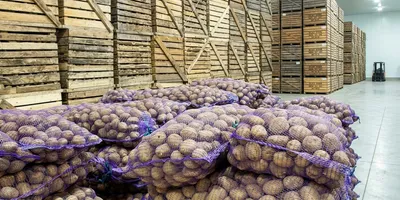
Cold storage planning should begin before potato harvesting, not after the crop is lifted. Storage availability, cost, potato quality, intended selling time and market demand all influence whether storing potatoes makes business sense.
Planning early helps farmers arrange suitable storage, reduce last-minute problems and protect the quality of their produce.
1. Decide Why You Want to Store Potatoes
Before booking storage, decide your purpose.
- Delayed sale: To avoid selling the entire crop immediately after harvest.
- Market planning: To sell at a later time based on market conditions.
- Seed storage: To preserve seed tubers under suitable conditions.
- Processing supply: To maintain potatoes according to the processor's requirements.
Storage does not guarantee a higher selling price. Future prices can fall, so farmers should consider both the potential return and the cost.
2. Check Potato Quality Before Storage
Not every potato lot is suitable for long-term storage.
Before sending potatoes to storage, check for:
- Rot, disease and damaged tubers
- Cuts and bruises from harvesting
- Immature or poorly set skin
- Greening and excessive sprouting
- Soil, moisture and other quality concerns
Healthy, mature and carefully handled potatoes generally have a better chance of maintaining quality in storage. Follow the storage facility's instructions for preparation and acceptance.
3. Book Storage in Advance
During the harvest season, suitable storage space may be in high demand. Contact storage operators early to check availability, charges and booking conditions.
Confirm the storage capacity, rent, loading and unloading charges, payment terms, expected storage period and responsibility for losses or damage.
Keep the booking receipt and all relevant records.
4. Choose Storage According to the Purpose
Different potato uses may require different storage conditions. Table potatoes, seed potatoes and processing potatoes should not automatically be managed in the same way.
For example, potatoes intended for chips or French fries may require specific temperature management to control sugar accumulation and frying colour.
Discuss the intended use with the cold storage operator and, where applicable, the buyer or processor.
5. Calculate the Cost Before Storing
Compare the expected selling return with the total cost of storage.
| Cost or Factor | What to Consider |
|---|---|
| Storage rent | Cost for the planned period |
| Loading and transport | Cost of moving potatoes in and out |
| Weight loss | Possible reduction in saleable quantity |
| Quality loss | Sprouting, rotting or other deterioration |
| Market price | Possible price at the time of sale |
| Payment and interest | Cost of money tied up in stored stock |
A higher future market price does not always mean higher profit if storage costs and quality losses are significant.
6. Keep Proper Records
Maintain a record of the quantity stored, variety, date of storage, storage charges and lot details. Keep receipts and any quality-related documents.
These records help farmers track expenses, plan sales and resolve disagreements if they arise.
Pre-Storage Checklist
Decide the purpose and expected storage period.
Check the quality and maturity of the potatoes.
Confirm storage availability and total charges.
Understand storage conditions for the intended use.
Estimate future selling costs and possible returns.
Keep booking receipts and stock records.
PB Takeaway
Cold storage is a business decision, not just a place to keep potatoes. Plan before harvest, select suitable produce, confirm all charges and understand the storage requirements for your intended market.
Before committing your crop, compare the expected selling return with storage costs and possible losses. This helps farmers make a more informed decision about when and where to sell.