Farming (Agronomy)
When Is the Right Time to Harvest Potatoes for Storage and Sale?
When Is the Right Time to Harvest Potatoes for Storage and Sale?
Potato Bazaar Desk12 August 20268 min read
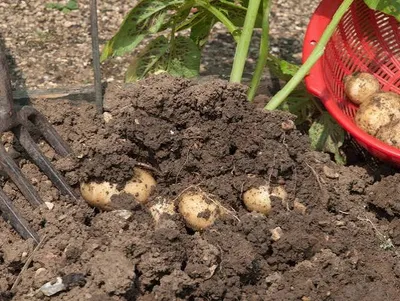
Harvesting is the final and one of the most important stages of potato cultivation. Even after months of proper irrigation, fertilization, and crop protection, harvesting at the wrong time can reduce tuber quality, shorten storage life, and lower market prices. The ideal harvest time depends on crop maturity, weather conditions, and the intended market—whether the potatoes are for fresh consumption, cold storage, processing, or seed production. Harvesting at the right stage not only improves quality but also helps farmers reduce post-harvest losses and maximize profits. Why Harvest Timing Matters Potatoes continue to mature even after they reach marketable size. Harvesting too early results in immature tubers with thin skins that are easily damaged during handling and storage.
These potatoes lose moisture faster and are more susceptible to diseases. Delaying harvest for too long is equally risky. Unexpected rainfall, pests, or prolonged exposure in the field can reduce quality and increase losses. The best harvest time is when the crop has reached full maturity and weather conditions are favourable. Signs Your Potato Crop is Ready Instead of relying only on the number of days after planting, observe the crop carefully. Field Observation Meaning Leaves turn yellow and dry Crop is nearing maturity Skin does not peel when rubbed Tubers are mature Tubers reach expected size Ready for harvest Plant growth slows or stops Harvest can begin These indicators help farmers harvest at the right stage for better quality and storage performance.
Harvest Timing Based on Market Different markets require different harvesting strategies. End Use Recommended Harvest Stage Fresh Market Marketable size with good appearance Cold Storage Full maturity with firm skin Processing Mature tubers with good dry matter Seed Production Healthy, disease-free mature tubers Matching harvest timing with market requirements helps improve buyer acceptance and returns. Weather Makes a Difference Harvesting should ideally be done during dry weather when soil moisture is moderate. Wet fields increase the risk of bruising, disease, and soil sticking to tubers, making grading and storage more difficult. After harvesting, potatoes should not remain under direct sunlight for long periods, as excessive heat can cause moisture loss and reduce quality. Handle Potatoes Carefully Good harvesting practices help maintain quality throughout the supply chain. Lift tubers carefully to avoid cuts and bruises. Do not throw or drop potatoes during collection. Separate damaged or diseased tubers before storage.
Allow potatoes to dry in a shaded, well-ventilated area before packing or storing. Use clean bags or crates during transportation. Careful handling reduces storage losses and improves market value. Common Harvesting Mistakes Farmers should avoid these common errors: Harvesting immature potatoes for storage. Delaying harvest after full maturity. Harvesting in wet soil conditions. Mixing damaged potatoes with healthy stock. Rough handling during grading and transport.
Avoiding these mistakes can significantly improve both quality and profitability. Harvest Success Checklist Factor Importance Crop maturity ⭐⭐⭐⭐⭐ Dry weather ⭐⭐⭐⭐☆ Careful handling ⭐⭐⭐⭐⭐ Proper storage ⭐⭐⭐⭐⭐ Timely transport ⭐⭐⭐⭐☆ PB Takeaway The right harvest time is a balance between crop maturity, weather, and market requirements. Potatoes harvested at full maturity have stronger skin, better storage life, and higher market value. By observing field maturity indicators, harvesting under suitable weather conditions, and handling tubers carefully, farmers can reduce post-harvest losses and improve profitability throughout the potato value chain.
These potatoes lose moisture faster and are more susceptible to diseases. Delaying harvest for too long is equally risky. Unexpected rainfall, pests, or prolonged exposure in the field can reduce quality and increase losses. The best harvest time is when the crop has reached full maturity and weather conditions are favourable. Signs Your Potato Crop is Ready Instead of relying only on the number of days after planting, observe the crop carefully. Field Observation Meaning Leaves turn yellow and dry Crop is nearing maturity Skin does not peel when rubbed Tubers are mature Tubers reach expected size Ready for harvest Plant growth slows or stops Harvest can begin These indicators help farmers harvest at the right stage for better quality and storage performance.
Harvest Timing Based on Market Different markets require different harvesting strategies. End Use Recommended Harvest Stage Fresh Market Marketable size with good appearance Cold Storage Full maturity with firm skin Processing Mature tubers with good dry matter Seed Production Healthy, disease-free mature tubers Matching harvest timing with market requirements helps improve buyer acceptance and returns. Weather Makes a Difference Harvesting should ideally be done during dry weather when soil moisture is moderate. Wet fields increase the risk of bruising, disease, and soil sticking to tubers, making grading and storage more difficult. After harvesting, potatoes should not remain under direct sunlight for long periods, as excessive heat can cause moisture loss and reduce quality. Handle Potatoes Carefully Good harvesting practices help maintain quality throughout the supply chain. Lift tubers carefully to avoid cuts and bruises. Do not throw or drop potatoes during collection. Separate damaged or diseased tubers before storage.
Allow potatoes to dry in a shaded, well-ventilated area before packing or storing. Use clean bags or crates during transportation. Careful handling reduces storage losses and improves market value. Common Harvesting Mistakes Farmers should avoid these common errors: Harvesting immature potatoes for storage. Delaying harvest after full maturity. Harvesting in wet soil conditions. Mixing damaged potatoes with healthy stock. Rough handling during grading and transport.
Avoiding these mistakes can significantly improve both quality and profitability. Harvest Success Checklist Factor Importance Crop maturity ⭐⭐⭐⭐⭐ Dry weather ⭐⭐⭐⭐☆ Careful handling ⭐⭐⭐⭐⭐ Proper storage ⭐⭐⭐⭐⭐ Timely transport ⭐⭐⭐⭐☆ PB Takeaway The right harvest time is a balance between crop maturity, weather, and market requirements. Potatoes harvested at full maturity have stronger skin, better storage life, and higher market value. By observing field maturity indicators, harvesting under suitable weather conditions, and handling tubers carefully, farmers can reduce post-harvest losses and improve profitability throughout the potato value chain.
Filed under#PotatoStorage#PotatoHarvest#PotatoBazaar