Farming (Agronomy)
What Makes a Potato Seed Truly High-Quality?
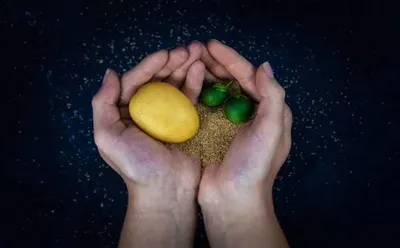
A successful potato crop begins long before planting—it starts with choosing the right seed. While factors like irrigation, fertilizer management, and crop protection influence the final yield, the quality of the seed potato lays the foundation for healthy plant growth, better tuber development, and higher productivity. Many farmers focus on seed size or price when purchasing seed potatoes. However, true seed quality depends on several factors, including health, genetic purity, physiological condition, and proper handling. Investing in high-quality seed can improve crop performance and reduce production risks throughout the season. What is a High-Quality Potato Seed?
Unlike many other crops, potatoes are grown using seed tubers rather than botanical seeds. A high-quality seed potato is one that is healthy, disease-free, true to its variety, and capable of producing a strong, uniform crop. Good seed should not only have high germination potential but also be free from physical damage and hidden infections that can affect crop growth. Characteristics of High-Quality Potato Seed Healthy and Disease-Free One of the most important qualities of a good seed potato is its health. Seed tubers infected with viruses, bacterial diseases, or fungal pathogens can spread infections throughout the field, leading to poor plant growth and lower yields. Using certified, disease-free seed helps minimize these risks and supports healthier crop establishment.
True to Variety Each potato variety has unique characteristics such as maturity period, yield potential, processing quality, and storage performance. High-quality seed should be genetically pure and match the variety being purchased. Mixed or off-type seed can result in uneven crop growth and inconsistent tuber quality, making harvesting and marketing more difficult. Proper Size and Uniformity Seed potatoes should be uniform in size and well-shaped. Extremely small tubers may lack sufficient stored energy for vigorous growth. Oversized tubers increase seed costs without necessarily improving performance. Uniform seed size promotes even crop emergence and consistent plant development. Strong Physiological Condition The physiological age of a seed potato affects how quickly it sprouts and establishes after planting. Healthy seed should have: Firm texture Good dormancy status Well-developed sprouts (when appropriate) Seed that is shriveled, excessively aged, or poorly stored may produce weak plants and uneven crop stands. Why Certified Seed Makes a Difference Certified seed is produced under strict quality standards and is regularly inspected for genetic purity, disease incidence, and overall quality.
Compared with farm-saved or unknown seed sources, certified seed generally offers: Better crop establishment Improved plant uniformity Lower disease pressure Higher yield potential More consistent tuber quality Although certified seed may involve a higher initial investment, it often reduces production risks and improves overall profitability.
How to Inspect Seed Before Planting Before planting, farmers should carefully examine seed potatoes for signs of poor quality. Avoid seed tubers that show: Soft rot or decay Deep cuts or bruises Black or discoloured patches Excessive shriveling Disease symptoms Very long, weak, or broken sprouts Healthy seed should be firm, clean, and free from visible defects.
Proper Storage Before Planting Even high-quality seed can lose its value if stored improperly. Seed potatoes should be kept in: Cool, well-ventilated conditions Away from direct sunlight Avoid: Rough handling Excessive heat Proper storage helps preserve seed vigour until planting time. Quality Seed is an Investment Some farmers try to reduce production costs by purchasing cheaper or uncertified seed. While this may lower initial expenses, poor-quality seed often results in: Lower yields Higher disease management costs Reduced marketable production In contrast, investing in quality seed creates a stronger foundation for the entire crop and increases the chances of achieving better returns at harvest.
PB Takeaway High-quality potato seed is the foundation of a productive and profitable crop. Farmers should look beyond price and consider factors such as disease-free status, varietal purity, seed health, size, and certification before making a purchase. Choosing quality seed today can lead to healthier plants, better yields, and higher market returns tomorrow.