Processing
How Processors Procure Potatoes — Variety, Quality, Contracts & Rejections
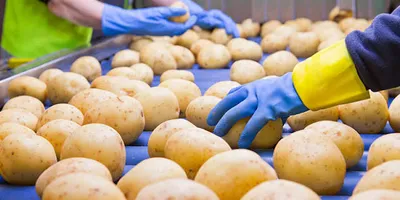
Processors do not buy potatoes only on the basis of quantity or market price. They need potatoes that meet specific requirements for products such as chips, French fries and other processed foods.
For farmers, understanding how processors procure potatoes can help reduce quality-related rejection and improve planning before planting.
1. Variety Is Decided Before Procurement
Processors usually work with specific varieties that are suitable for their products.
A variety that performs well in the fresh market may not provide the required dry matter, shape, size or frying quality for processing.
Before planting, farmers should confirm:
- Which varieties the processor accepts
- Whether the variety is suitable for chips or French fries
- Required seed source and quality
- Expected quantity and delivery period
Do not choose a processing variety only because it gives high field yield.
2. Quality Is Checked at Procurement
When potatoes reach the buyer or processing unit, the lot may be checked for several quality parameters.
These can include:
Size → Shape → Dry matter → Reducing sugars → Skin condition → Disease → Rot → Cuts and bruises → Greening
The exact specifications vary between processors and products.
3. Contracts Can Define the Buying Conditions
Some processors procure through planned arrangements or contracts with farmers, aggregators or suppliers.
A procurement agreement may specify:
| Contract Point | What It Can Cover |
|---|---|
| Variety | Approved processing varieties |
| Quantity | Expected supply volume |
| Quality | Size, defects and processing parameters |
| Delivery | Time and location |
| Price | Agreed or quality-linked pricing |
| Rejection | Conditions under which potatoes may be rejected |
| Payment | Payment terms and timeline |
Farmers should understand these conditions before committing their crop.
4. Why Can Potatoes Be Rejected?
A processor may reject or downgrade a lot if it does not meet the agreed specifications.
Common reasons can include:
- Excessive rot or disease
- High level of damaged tubers
- Unsuitable size or shape
- Poor skin quality
- Excessive greening
- Processing quality below the required level
- Sugar levels outside the accepted range
- Wrong or unapproved variety
Not every quality issue results in complete rejection. Depending on the buyer's agreement, the lot may instead receive a lower grade or price.
5. Quality Starts in the Field
Procurement problems cannot always be solved at the time of sale. Farmers should manage quality throughout the crop cycle.
Right variety → Quality seed → Balanced nutrition → Proper irrigation → Disease management → Careful harvesting → Safe handling → Correct storage
This chain helps maintain the quality required by the processor.
Before Supplying a Processor
Confirm the variety and specifications → Understand the contract → Know the rejection limits → Maintain crop quality → Grade before delivery → Keep procurement records
PB Takeaway
Processor procurement starts well before harvest. Farmers should understand the required variety, quality parameters, contract conditions and possible rejection criteria before planting.
The best approach is to know the buyer's specifications first and then plan the crop accordingly. This can reduce avoidable quality problems and help farmers supply potatoes that match the processor's requirements.