Market & Trade
Managing Money Across the Potato Season
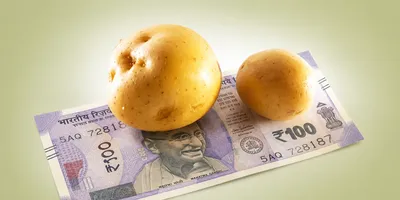
Cash-flow management is one of the most important yet often overlooked aspects of the potato business. Potato farming involves significant seasonal investment, while income generation may happen several months later depending on harvest timing, storage decisions, and market conditions. Because of this gap between expenses and returns, proper financial planning becomes critical for farmers, traders, cold storage operators, and processors.
Major Production Expenses Potato cultivation typically requires spending on: Seed Fertilisers Crop protection Irrigation Labour Harvesting Transportation Storage In many regions, farmers also depend on borrowed working capital during the season, increasing financial pressure if market prices weaken after harvest. Managing Price Volatility One of the biggest challenges in the potato sector is price volatility. Market prices can change rapidly depending on: Crop size Weather conditions Storage availability Export demand Mandi arrivals As a result, businesses with weak cash-flow planning may face difficulties during periods of low prices or delayed sales.
Storage and Financial Planning Cold storage decisions also directly affect financial management. Storing potatoes may offer the possibility of better future prices, but it also increases: Storage expenses Electricity costs Quality deterioration risks Interest burden on blocked capital Experienced traders and farmers therefore often balance immediate sales and storage exposure carefully rather than depending entirely on future price expectations. Processing Contracts Processing-linked potato farming may provide relatively more stable income visibility because contract arrangements can reduce market uncertainty to some extent.
Budgeting for the Season Industry experts also advise maintaining clear seasonal budgeting that includes: Expected production cost Storage expenses Transportation costs Loan repayment schedules Contingency reserves for market fluctuations Digital record-keeping and market tracking are also becoming increasingly useful for financial planning in agriculture.
Conclusion As the potato industry becomes more commercialised and integrated with processing and organised supply chains, financial discipline is expected to become even more important across the value chain. In a highly volatile commodity business like potatoes, strong cash-flow planning often becomes as important as good production itself.