Market & Trade
Table Potato vs. Processing Potato
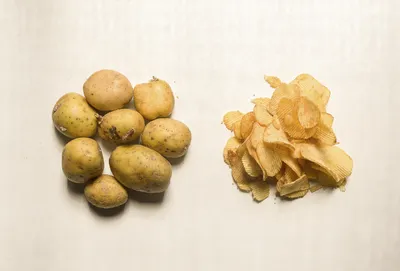
India is the world’s second-largest producer of potatoes, with annual output exceeding 55 million metric tonnes across states like Uttar Pradesh, West Bengal, Bihar, Gujarat, and Punjab. Despite this scale, a fundamental distinction shapes the entire potato economy — the difference between table potatoes and processing potatoes . For farmers, traders, and buyers, this is not just a technical classification; it directly influences pricing, risk, and business decisions. Understanding Table Potatoes Table potatoes are grown for direct consumption — the everyday aloo used in homes, restaurants, and street food across India. Popular varieties include: Kufri Jyoti Kufri Pukhraj Kufri Badshah Kufri Sindhuri These potatoes are evaluated primarily on visual and physical attributes, such as: Size and uniformity Smooth skin and shallow eyes Absence of defects, cuts, or greening The supply chain for table potatoes is long and fragmented: Farm → Cold Storage → Mandi → Wholesaler → Retailer → Consumer Regions like Agra and Hathras in Uttar Pradesh are major hubs supplying fresh potatoes across the country.
Prices in this segment are highly market-driven, fluctuating based on arrivals, storage levels, and demand. While farmers can benefit during periods of shortage, they are also exposed to severe price crashes during bumper production seasons. Understanding Processing Potatoes Processing potatoes are cultivated specifically for industrial use — chips, french fries, flakes, starch, and other processed products. Large companies such as PepsiCo, Haldiram’s, ITC, and McCain procure these potatoes, typically through contract farming arrangements. Unlike table potatoes, the focus here is not on appearance but on internal quality and chemistry.
Key parameters include: High dry matter (starch content) for better crispness and lower oil absorption Low reducing sugars to ensure proper frying colour Uniform size and shape for mechanised slicing Common processing varieties in India include: Kufri Chipsona (1–4) Kufri Frysona Lady Rosetta Each is developed or selected to meet strict processing requirements. Procurement is usually direct, with companies sourcing from farmers and bypassing traditional mandis. Prices are often fixed before sowing, providing farmers with income visibility and protection from market volatility.
Key Differences That Matter The divide between table and processing potatoes plays out across multiple dimensions: End Use: Table potatoes are for consumption; processing potatoes are for industrial products. Quality Focus: Table potatoes depend on appearance, while processing potatoes depend on chemical composition. Pricing: Table potato prices fluctuate daily in mandis; processing potatoes operate on pre-agreed contracts. Risk: Table potato farming carries high market risk; processing offers relatively stable returns. Supply Chain: Table potatoes pass through multiple intermediaries; processing potatoes follow a direct farm-to-factory model. Rejection Sensitivity: Lower-grade table potatoes can still be sold at reduced prices, whereas processing potatoes may be rejected entirely if they fail quality tests.
Market Reality and Opportunity In India, about 85–90% of potato production is still directed toward the table market, with only 10–15% used for processing. This is significantly lower than in developed markets like the USA and the Netherlands, where processing dominates. However, with the rapid growth of the packaged food and snack industry, the demand for processing potatoes is rising steadily. States like Gujarat and Punjab have already seen strong adoption of contract farming models, offering farmers more predictable income streams.
At the same time, processing cultivation requires greater discipline — precise irrigation, controlled fertilisation, and careful cold storage management to prevent issues like cold-induced sweetening, which can make potatoes unsuitable for processing. Implications for Stakeholders For farmers, the choice between table and processing potatoes is a strategic one — balancing higher potential returns against higher risk, or opting for stability with stricter requirements. For buyers and traders, understanding this distinction is critical. Retail and food service buyers must focus on grading, appearance, and storage conditions.
In contrast, suppliers to processors must ensure compliance with technical parameters like specific gravity and sugar levels, where even visually perfect produce can be rejected. Conclusion The difference between table and processing potatoes is at the heart of India’s evolving potato value chain. It determines how potatoes are grown, how they are sold, and who ultimately captures value. As the industry moves toward greater organisation and demand for processed foods increases, this distinction will become even more critical for making informed, profitable decisions.