Your Potatoes Look Good — But Will the Buyer Pay the Price You Expect?
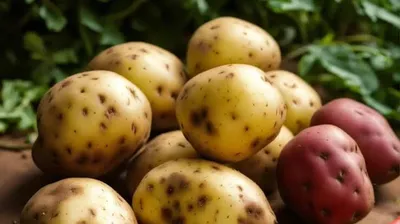
A potato lot may look healthy from the outside, but appearance alone does not decide its selling price. Buyers also consider size, variety, internal quality, defects and the purpose for which the potatoes will be used.
For farmers, understanding these requirements before taking potatoes to market can help avoid price surprises, quality deductions and rejected lots.
1. The Same Potato Can Have Different Values
A variety suitable for household consumption may not meet the requirements of a chips or French fries processor. Fresh-market buyers, processors and seed buyers can all look for different qualities.
| Buyer type | What may matter most |
|---|---|
| Fresh-market trader | Size, appearance, firmness and visible defects |
| Chips processor | Dry matter, reducing sugars, colour after frying and defects |
| French fries processor | Shape, size, internal quality and frying performance |
| Seed buyer | Variety identity, health, size grading and applicable seed standards |
The key lesson: A higher price is not guaranteed simply because potatoes look bigger or cleaner. The lot must match the buyer's requirements.
2. Four Questions to Ask Before Selling
Before finalising a deal, farmers should ask:
- Which variety do you need? Not every variety suits every buyer.
- What size and quality are acceptable? Clarify grading and defect limits.
- Will there be any deductions? Ask how damaged, undersized or unsuitable potatoes will be treated.
- How will the final price be calculated? Confirm whether the quoted rate is before or after commission, loading, transport and other charges.
These questions can help prevent disagreements after the potatoes reach the buyer.
3. Calculate What You Actually Earn
The highest quoted price may not always give you the best return.
Consider this simple example. These figures are illustrative, not actual market rates.
| Particulars | Buyer A | Buyer B |
|---|---|---|
| Quoted price | ₹1,000/q | ₹1,050/q |
| Transport and other costs | ₹100/q | ₹180/q |
| Net return before other expenses | ₹900/q | ₹870/q |
Buyer B offers a higher price, but Buyer A leaves ₹30 more per quintal after the listed costs. Always compare the final return, not just the quoted rate.
4. Check the Market Before Making Your Decision
Prices and buyer requirements can change by location, variety, quality and demand. Before dispatching your produce, compare local mandi rates, check available buyer requirements and speak with potential buyers.
Potato Bazaar helps bring together potato-market information and connections between farmers, traders and buyers, making it easier to explore relevant market opportunities.
PB Takeaway
Don't sell only on the basis of appearance or the first price you hear. Know your potato quality, understand the buyer's requirements and calculate your net return before finalising the deal.
Explore Potato Bazaar for potato-market updates, buying and selling opportunities, and connections across the potato value chain.