Farming (Agronomy)
When Is Your Potato Crop Ready for Harvest? Signs Farmers Should Check
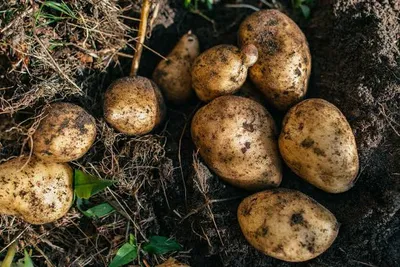
Harvesting potatoes at the right time is important for tuber quality, storage life and market value. Harvesting too early can result in immature skin and damage, while delaying harvest unnecessarily can increase the risk of losses.
Farmers should check crop maturity, skin condition, soil moisture and market requirements before starting harvest.
1. Check the Crop for Maturity
As the crop approaches maturity, the leaves and stems begin to turn yellow and dry. However, crop appearance alone is not enough to decide the harvest date. Maturity also depends on the variety, planting date, weather and intended use.
Follow local agricultural recommendations and check the condition of the tubers before harvesting the entire field.
2. Check Tuber Skin Development
A mature potato generally has firmer skin that does not rub off easily during gentle handling. Immature tubers can lose their skin more easily, increasing the risk of cuts, bruising and storage problems.
Before harvesting a large area, dig up a few plants and inspect the tubers to assess their maturity.
3. Prepare the Field Before Digging
Soil moisture affects harvesting efficiency and tuber damage. Very wet soil can stick to potatoes and make handling difficult, while very dry or hard soil can increase the risk of cuts and bruises.
Choose suitable soil conditions for digging and avoid unnecessary damage from harvesting equipment.
4. Harvest Carefully to Reduce Losses
During harvesting, check that the digging equipment is properly adjusted for the soil and planting depth.
- Avoid cutting or bruising tubers.
- Keep harvested potatoes away from direct sunlight for long periods.
- Separate rotten, diseased or badly damaged potatoes.
- Handle potatoes carefully during collection, loading and transport.
Damage during harvesting can reduce market value and shorten storage life.
5. Harvesting for Fresh Sale vs Storage
The right harvest approach depends on the intended market. Potatoes for immediate sale may follow different handling schedules from potatoes intended for longer storage.
| Check | Why It Matters |
|---|---|
| Crop maturity | Helps determine harvest readiness |
| Skin firmness | Reduces skin damage during handling |
| Soil moisture | Supports cleaner, safer digging |
| Tuber damage | Affects saleable quantity and storage life |
| Intended market | Determines handling and storage needs |
Before Harvest: Farmer Checklist
Check crop maturity and local harvest recommendations.
Dig a few plants to inspect tuber size and skin condition.
Check soil moisture and field conditions.
Adjust harvesting equipment properly.
Arrange labour, transport and storage in advance if required.
Prepare a separate area for damaged or diseased tubers.
PB Takeaway
Harvesting at the right time and handling potatoes carefully can protect both quality and value. Check crop maturity and tuber skin, prepare the field properly and avoid unnecessary damage during digging, collection and transport.
Plan harvesting according to the crop condition and intended market—not just a fixed number of days after planting.