Market & Trade
What Determines the Price a Trader Will Pay for Your Potato?
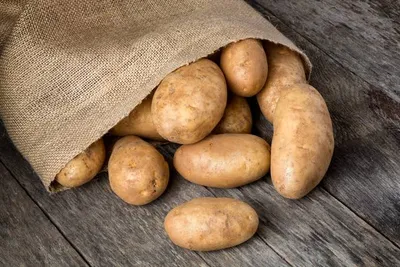
The price a farmer receives for potatoes is not decided by production cost alone. Traders consider potato quality, variety, size, market demand, arrivals, storage condition, transport cost and the current mandi situation before making an offer.
Understanding these factors can help farmers better assess their potatoes and negotiate with buyers.
1. Potato Quality
Quality is one of the first things a trader checks. Clean, healthy and firm potatoes generally have better market acceptance.
Potatoes with rot, cuts, bruises, greening, excessive sprouting or disease damage may receive a lower price or face rejection.
2. Size and Grade
Potatoes of different sizes may have different buyers and uses. Traders may sort potatoes into different grades based on size and appearance.
Uniform lots are usually easier to sell because the buyer knows what quality they are getting.
3. Variety Matters
Different varieties have different demand in the market. Some may be preferred for table consumption, processing, chips or French fries, while others may be more suitable for seed.
Therefore, the same market may offer different prices for different varieties.
4. Market Demand and Arrivals
Prices change according to demand and supply.
If arrivals are high and buyers have enough stock, traders may have less urgency to purchase. When arrivals are lower but demand is strong, prices can move differently.
This is why today's price may not be the same as next week's price.
5. Mandi and Location
The price offered at the farm gate, local mandi, wholesale market or another trading centre can differ.
The trader also considers transport, loading, unloading, commission and other handling costs when deciding the purchase price.
6. Storage and Timing of Sale
Farmers who store potatoes may sell them at a different time from those selling immediately after harvest.
However, storage also involves costs and risks such as weight loss, sprouting, rotting and quality deterioration. The expected future price should therefore be compared with the total cost of holding the crop.
What Can Change Your Potato Price?
| Factor | Possible Effect on Price |
|---|---|
| Quality | Better quality can improve market acceptance |
| Size & grading | Preferred sizes may attract stronger demand |
| Variety | Demand differs by variety and end use |
| Market arrivals | Higher supply can put pressure on prices |
| Buyer demand | Strong demand can support prices |
| Location | Transport and market costs affect the offer |
| Storage condition | Loss of quality can reduce value |
| Timing | Prices can change with market conditions |
Before Accepting a Price
Farmers should check more than one factor before deciding to sell:
Current mandi price → Potato quality → Grade/size → Variety → Buyer demand → Transport & handling costs → Storage cost, if applicable
Comparing offers from different buyers can also provide a better understanding of the current market.
PB Takeaway
A trader's buying price is influenced by both the quality of your potatoes and the market conditions at the time of sale. Farmers should understand their potato's grade, variety and quality, check current market rates and consider storage and transport costs before making a selling decision.
Knowing what affects the price helps farmers have a clearer conversation with buyers and make more informed selling decisions.