Land Preparation for Potato: What to Do Before Planting
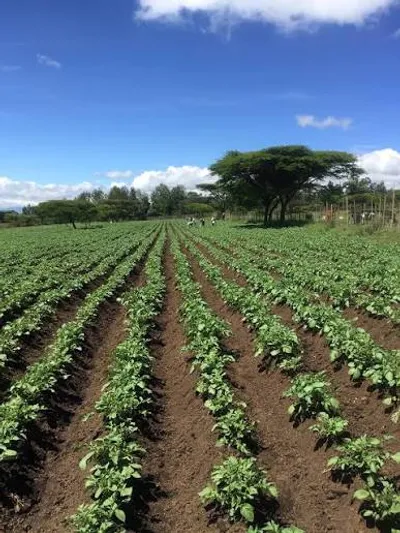
Good potato production starts with properly prepared soil. Potato tubers develop underground, so soil structure, drainage, moisture and fertility directly affect tuber size, shape and yield. Poor land preparation can lead to uneven emergence, misshapen tubers, waterlogging and harvesting difficulties.
Preparing the field properly before planting creates better conditions for strong root growth and uniform tuber development.
Start With the Soil
Potatoes generally perform well in loose, well-drained soil that allows tubers to expand easily. Heavy or compacted soil can restrict tuber development and increase the risk of waterlogging.
Before planting, farmers should check soil condition and, where possible, use a soil test to understand nutrient requirements.
Steps for Land Preparation
| Step | Purpose |
|---|---|
| Remove previous crop residue | Reduces field problems and allows easier cultivation |
| Primary tillage | Loosens and turns the soil |
| Harrowing/rotavation | Creates a finer, workable seedbed |
| Level the field | Supports uniform irrigation |
| Prepare ridges/rows | Provides space for tuber development |
| Apply nutrients as recommended | Supports early crop growth |
The number of tillage operations should depend on the soil condition. Excessive tillage can increase costs and damage soil structure.
Ensure Good Drainage
Potato crops are sensitive to excess water. Waterlogging can reduce root health and increase the risk of tuber diseases.
Fields should have proper drainage, particularly where heavy rainfall or irrigation is expected. Raised ridges or beds can help keep developing tubers in suitable soil conditions.
Maintain the Right Soil Moisture
The soil should have enough moisture for planting, but it should not be excessively wet. Working very wet soil can cause compaction, while very dry soil can make seedbed preparation difficult.
Aim for a soil condition that is loose, friable and easy to work.
Avoid Common Mistakes
Farmers should avoid planting into compacted soil, creating poorly drained fields, overworking the soil, or applying fertilizers without considering soil-test results. Uneven land can also lead to uneven irrigation and inconsistent crop growth.
PB Takeaway
Good land preparation creates the foundation for a successful potato crop. Focus on loose soil, good drainage, proper moisture, uniform ridges and balanced nutrient management. A well-prepared field helps potatoes develop evenly and makes later operations such as irrigation, crop management and harvesting easier.