Which Potato Variety Should I Plant? Farmer Variety Should Follow Intended Market
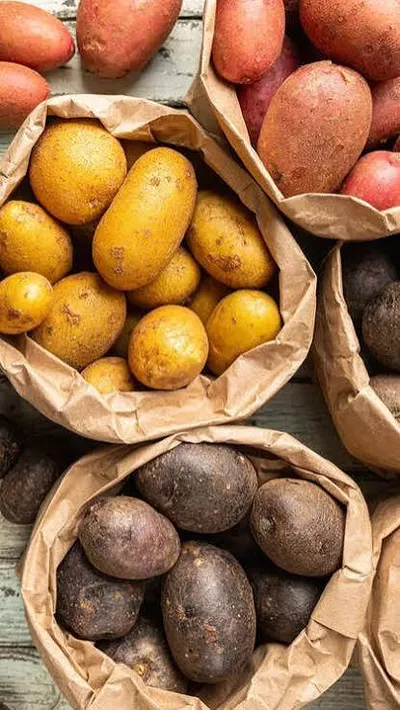
Choosing a potato variety should not be based only on what other farmers are planting. The right variety depends on where you are farming and where you plan to sell the potatoes. A variety that performs well for table consumption may not be suitable for processing or long-term storage.
Start With Your Intended Market
Before buying seed, farmers should first decide the purpose of their crop.
| Market / Purpose | Important Variety Qualities |
|---|---|
| Fresh Market | Good appearance, size & cooking quality |
| Chips/Wafers | High dry matter & low reducing sugars |
| French Fries | Suitable shape, size & frying quality |
| Cold Storage | Good dormancy & storage performance |
| Seed | High health & varietal purity |
Match Variety With Your Region
Climate, soil, irrigation and crop duration can affect variety performance. A variety suitable for the cool winter conditions of one region may not perform equally well in another area.
Farmers should therefore select varieties recommended for their agro-climatic region and consider the length of their growing season.
Yield Is Not the Only Factor
A high-yielding variety does not always provide the highest profit. Market demand, quality requirements, storage behaviour and buyer preference can be equally important.
For example, a processing variety may offer better returns to a farmer who has a processor as a buyer, while a table variety may be more suitable when selling directly through the mandi.
Before Buying Seed, Ask
- What market will I sell to?
- Which varieties do local buyers prefer?
- Is the variety suitable for my region?
- How long does it take to mature?
- Can it be stored if immediate sale is not planned?
- Is quality seed available from a reliable source?
PB Takeaway
Right variety + Right region + Right market = Better opportunity for profit.
Farmers should choose potato varieties according to their intended market, local climate, crop duration and storage plans, rather than selecting a variety only because it is popular or produces high yields. The best variety is the one that matches both the farm and the buyer.