How Seed Age & Treatment Decide Yield and Disease Risk
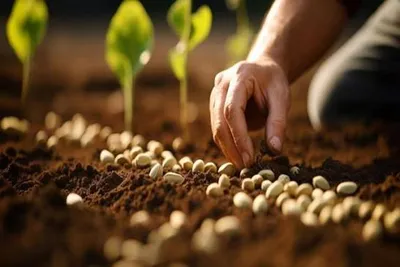
A healthy potato crop starts with healthy seed, but not all seed potatoes perform the same. Two factors that have a major impact on crop performance are seed age and seed treatment. Even if farmers choose a high-yielding variety, using aged, unhealthy, or untreated seed can reduce plant vigour, increase disease risk, and lower overall productivity. Understanding how seed age and proper treatment influence crop establishment can help farmers improve yields while reducing production losses. What is Seed Age? Seed age refers to the physiological condition of the seed tuber rather than the time since it was harvested.
As seed potatoes age, their ability to produce healthy, vigorous plants changes.
Physiological age is influenced by several factors, including storage temperature, storage duration, and handling conditions. A seed potato that has been stored correctly will behave differently from one that has been exposed to poor storage conditions, even if both were harvested at the same time. Why Seed Age Matters The physiological age of seed potatoes directly affects plant growth and tuber development. Young Seed Young seed generally has a longer dormancy period and produces fewer but stronger sprouts. It often develops vigorous plants with healthy root systems and can perform well under suitable growing conditions.
Aged Seed As seed potatoes age, they tend to produce multiple weak sprouts, resulting in uneven crop emergence and reduced plant vigour. Excessively aged seed may also produce smaller tubers and lower overall yields. Selecting seed with the right physiological age helps achieve uniform crop establishment and better field performance.
The Importance of Seed Treatment Seed treatment is the process of protecting seed potatoes before planting to reduce the risk of diseases and improve crop establishment. Since seed tubers remain in direct contact with the soil during the early stages of growth, they are vulnerable to several soil-borne pathogens and fungal infections. Proper treatment provides an additional layer of protection during this critical period. Benefits of Seed Treatment Reduced Disease Risk Treating seed before planting helps reduce the spread of diseases that may affect germination and early plant growth.
Healthy plants established during the early growth stages are generally more capable of withstanding environmental stress throughout the season. Better Crop Establishment Protected seed is more likely to emerge uniformly, resulting in a consistent crop stand and easier field management. Uniform emergence also contributes to more even tuber development at harvest. Improved Yield Potential Healthy seed combined with proper treatment allows plants to utilize nutrients, water, and sunlight more efficiently, ultimately supporting higher yields and improved tuber quality. Good Practices Before Planting Farmers can improve crop performance by following a few simple practices: Purchase certified, disease-free seed from reliable sources.
Inspect seed tubers for cuts, rot, bruises, or disease symptoms before planting. Remove damaged or infected seed to prevent disease spread. Use recommended seed treatment products according to agricultural guidelines. Handle seed carefully to avoid injuries that may become entry points for pathogens. Avoid Common Mistakes Several common mistakes can reduce the effectiveness of quality seed: Using old or shriveled seed tubers.
Planting untreated seed in disease-prone fields. Storing seed under unsuitable temperature or humidity conditions. Mixing healthy seed with infected tubers. Ignoring visible signs of damage or disease before planting. Avoiding these mistakes can significantly improve crop establishment and reduce production risks. Healthy Seed Leads to a Healthy Crop Seed quality influences every stage of potato production—from germination and plant growth to tuber development and final yield. By paying attention to both physiological seed age and proper seed treatment, farmers can establish stronger crops, reduce disease pressure, and improve the profitability of their potato farming operations.
PB Takeaway The success of a potato crop begins with healthy seed. Choosing seed with the right physiological age and applying appropriate seed treatment before planting helps improve germination, reduce disease risk, and promote uniform crop growth. Investing time in seed preparation is a simple yet effective step toward achieving higher yields and better-quality potatoes.