How to Choose the Right Potato Variety for Your Market and Region
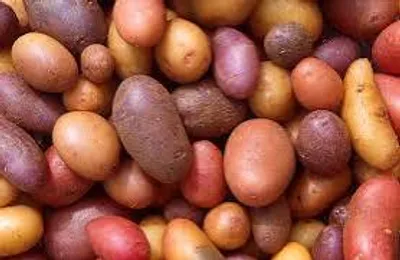
Choosing the right potato variety is one of the most important decisions a farmer makes before planting. While good irrigation, fertilizer management, and crop protection are essential, the success of a potato crop often begins with selecting a variety that is suitable for the local climate and meets the requirements of the intended market. India grows several potato varieties, each developed for specific purposes such as fresh consumption, processing, seed production, or long-term storage. A variety that performs well in one region may not necessarily deliver the same results in another. Understanding these differences can help farmers improve both productivity and profitability.
Start with Your Target Market Before purchasing seed, farmers should first identify where they plan to sell their produce. Fresh Market For the fresh market, buyers generally prefer potatoes that have: Uniform size Attractive appearance Good cooking quality Longer shelf life Processing Industry For the processing industry, quality requirements are more specific. Potato chips and French fries require varieties with: High dry matter content Low reducing sugar levels Uniform tuber size Growing the wrong variety can lead to rejection by processors or lower market prices. Choose a Variety Suitable for Your Region Climate plays a major role in determining how well a potato variety performs.
Temperature, rainfall, soil type, irrigation availability, and crop duration all influence yield and quality. For example, varieties suitable for the northern plains may not perform equally well in western or eastern India due to differences in weather and growing conditions. Farmers should always select varieties recommended for their agro-climatic region and consult local agricultural experts or extension agencies whenever possible. Consider Crop Duration Potato varieties differ in their maturity period. Early-Maturing Varieties Allow farmers to enter the market sooner Fit well into multiple cropping systems Medium-Duration Varieties Provide a balance between yield and crop duration Late-Maturing Varieties Often produce higher yields Generally preferred for long-term storage Selecting the right maturity group should match both local growing conditions and the planned marketing strategy. Don't Ignore Storage Performance If potatoes are intended for cold storage, storage characteristics become just as important as yield. Different varieties vary in their: Dormancy period Sprouting tendency Weight loss during storage Ability to maintain quality over time Choosing a variety with good storage performance can help reduce post-harvest losses and improve returns when selling later in the season.
Disease Resistance and Seed Quality Matter Disease-resistant varieties can reduce production risks and lower crop protection costs. Farmers should also invest in certified, disease-free seed, as healthy seed ensures: Better crop establishment Uniform growth Higher yield potential Even the best-performing variety may fail to deliver good results if poor-quality seed is used. Focus on Profitability, Not Just Yield Many farmers select varieties based only on their yield potential. However, the highest-yielding variety is not always the most profitable. A variety that is preferred by traders, processors, or consumers may generate better returns even with a slightly lower yield. Before making a decision, consider: Market demand Quality requirements Storage performance Production costs Successful potato farming is not just about producing more—it is about producing the right variety for the right market.
PB Takeaway Selecting the right potato variety is a strategic decision that influences yield, quality, storage performance, and market price. Before planting, farmers should consider: Their region and climate Target market Storage plans Buyer requirements Matching the right variety to the right purpose can improve profitability and reduce production risks throughout the season.