Why Does the Same Potato Get Different Prices in Different Mandis?
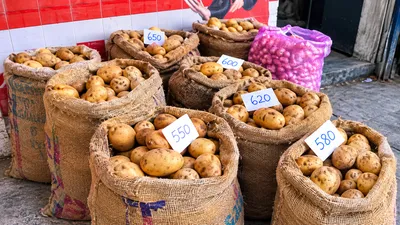
Have you ever noticed that the same potato variety may sell at one price in your local mandi and at a different price in another market? This difference can create opportunities for farmers and traders, but it can also lead to unexpected losses.
Potato prices are not decided by variety alone. Arrival quantity, local demand, quality, transportation and competition between buyers all influence the final rate.
1. Mandi Arrivals Can Change the Price
When more potato trucks arrive than buyers can purchase, sellers may have to compete for limited demand. This can put pressure on prices.
On the other hand, lower arrivals with steady demand may support better rates.
What to check: Daily arrivals, unsold stock and whether supply is increasing or decreasing.
2. Local Demand Is Different in Every Market
Some mandis supply nearby cities, while others serve processing units, wholesalers or distant markets. Their buying requirements can be different.
For example:
- Markets supplying large cities may have strong demand for particular sizes and qualities.
- Processing-linked markets may prefer varieties suitable for chips or French fries.
- Markets with limited buyer activity may offer fewer selling opportunities.
3. Transport Cost Can Remove the Price Advantage
A mandi offering ₹100 more per quintal may not necessarily be the better market.
Consider this illustrative example:
| Particulars | Nearby mandi | Distant mandi |
|---|---|---|
| Selling price | ₹1,000/q | ₹1,100/q |
| Transport and other additional costs | ₹50/q | ₹160/q |
| Net return before other expenses | ₹950/q | ₹940/q |
Although the distant mandi offers a higher rate, the nearby mandi gives a better return in this example.
4. Quality and Buyer Competition Matter
Even within the same mandi, two potato lots may receive different prices.
Buyers may consider:
- Variety and size consistency
- Skin condition and appearance
- Cuts, bruises and rotting
- Processing suitability, where relevant
- Quantity and consistency of supply
A market with more active buyers can also provide better price competition, provided the produce meets their requirements.
5. What Should Farmers and Traders Compare?
Before choosing a mandi, check these five things:
- Today's price for your specific variety and quality.
- Current arrivals and available buyer demand.
- Transport, loading, commission and handling costs.
- Payment terms and reliability of the buyer.
- Expected net return after all expenses.
PB Takeaway
The mandi with the highest quoted price is not always the mandi that gives you the highest profit. Compare prices, arrivals, buyer demand and transport costs before deciding where to sell.
Check potato-market updates and explore buying and selling opportunities on Potato Bazaar to make more informed market decisions.