Potato Farming in Gujarat: How 6,000+ Growers Are Learning to Reduce Costs and Save Water
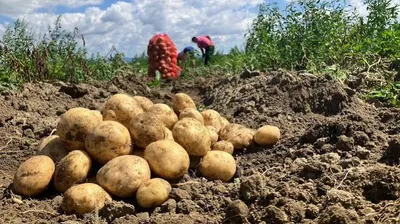
Can better farming practices help potato growers reduce costs while maintaining crop quality? A farmer-training initiative in Gujarat is working towards this goal.
HyFarm Paathshala, the farmer education programme of HyFun Foods’ agribusiness unit, has reached more than 6,000 potato growers through practical training, demonstration farms and farmer-to-farmer knowledge sharing.
According to the programme’s announcement on 2 November 2026, participating farmers reported a 10–12% reduction in overall cultivation costs, 15% savings in fertiliser costs and 30–35% lower irrigation-water consumption. These are programme-reported results, not guaranteed savings for every farmer.
What Is HyFarm Paathshala?
HyFarm Paathshala provides practical guidance to potato farmers, particularly those growing potatoes for food processing.
The programme operates across 17 micro-clusters and 33 demonstration farms in Sabarkantha and Banaskantha, Gujarat. Experienced growers demonstrate farming practices, while trained farmers share their knowledge with neighbouring communities.
The approach connects scientific farming methods with local experience to improve crop management, resource use and processing-potato quality.
Key Results Reported by the Programme
| Area | Reported Improvement |
|---|---|
| Farmers reached | More than 6,000 |
| Overall cultivation costs | 10–12% lower |
| Fertiliser costs | 15% lower |
| Irrigation-water consumption | 30–35% lower |
These figures were reported by HyFarm Paathshala. Results may vary depending on soil conditions, weather, irrigation facilities, input prices and farm management.
Five Potato Farming Practices Worth Understanding
1. Test Soil Before Applying Fertiliser
Soil testing helps farmers understand nutrient availability and plan fertiliser use according to crop needs. Applying fertiliser without considering soil conditions can increase costs without delivering the expected benefit.
2. Manage Irrigation Carefully
Potato crops need suitable soil moisture at different growth stages. Farmers should follow local irrigation recommendations and avoid both water stress and excessive watering.
Where suitable, improved irrigation methods and better scheduling can help reduce water wastage.
3. Choose the Right Seed Potatoes
Healthy seed and a suitable variety provide a stronger starting point for potato cultivation. Farmers should select varieties according to local conditions and the intended market, including fresh consumption or processing.
4. Monitor the Crop Regularly
Regular field inspections can help identify uneven growth, pest attacks, disease symptoms and irrigation problems early. Timely action may prevent small issues from becoming costly losses.
5. Understand the Buyer's Quality Requirements
Potato processing companies may require specific tuber size, shape, dry matter, sugar levels and frying quality. Farmers should confirm these requirements before choosing a processing variety or entering a procurement agreement.
Why Does This Matter for Gujarat's Potato Farmers?
Banaskantha and Sabarkantha are important potato-growing areas in Gujarat. Training that focuses on input efficiency and crop quality can help farmers make better-informed decisions throughout the growing season.
For farmers supplying processing companies, the objective is not simply to produce more potatoes. It is to manage cultivation costs while producing potatoes that meet the buyer's quality requirements.
However, training results do not automatically mean that every farmer will achieve the same savings or secure a purchase contract.
What This Means for Potato Bazaar Stakeholders
Farmers: Compare input costs, follow soil-test recommendations and improve irrigation planning.
Seed suppliers: Help growers choose suitable varieties and understand the seed-quality requirements of processing buyers.
Traders: Understand the quality differences between table potatoes and processing-grade potatoes.
Cold storage owners: Maintain appropriate storage and handling practices for potatoes intended for processing.
Processors: Farmer training and consistent crop quality can support more reliable sourcing when matched with clear procurement standards.
🟢 PB Takeaway
Potato farming is not only about seed, fertiliser and irrigation. Better planning, regular crop monitoring and understanding market requirements can also influence farm profitability.
HyFarm Paathshala's reported results highlight the potential value of practical farmer education. Growers can use the same principle by reviewing their input costs, checking soil and water needs, and selecting varieties that suit their local conditions and target buyers.
Want to make better-informed potato farming decisions? Explore Potato Bazaar for more potato cultivation guides, industry updates and connections across the potato supply chain.