India’s Potato Seed Gap: Why Quality Seed Matters for the Next Crop
India needs millions of tonnes of potato seed every year, but a large share of farmers still depend on saved potatoes or locally sourced planting material. A report published by IndianPotato.com on 20 October 2026 estimates that India needs around 6.7 million tonnes of potato seed annually, while only about one-quarter comes from organised seed production. The rest is farm-saved, exchanged or purchased through local markets.
This gap matters because the quality of seed potatoes affects crop establishment, plant health, tuber size and final yield. Reusing seed can reduce upfront costs, but repeated planting without proper selection and disease management may allow viruses and other problems to accumulate.
Why Is Quality Potato Seed Important?
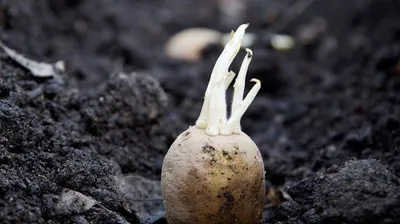
Potato is generally grown from tubers rather than botanical seeds. Each tuber or suitable tuber piece produces a new plant, making the health of planting material especially important.
| Factor | Why It Matters |
|---|---|
| Seed health | Diseased tubers can introduce problems into the next crop. |
| Variety purity | Mixed varieties may produce uneven crops and different tuber characteristics. |
| Seed size and condition | Suitable, healthy tubers support better crop establishment. |
| Storage and handling | Poor storage can lead to sprouting, rotting or damage before planting. |
| Seed replacement | Periodically using quality-assured seed can help manage the risks of repeated reuse. |
ICAR–Central Potato Research Institute (CPRI) identifies seed-borne diseases and yield degeneration as important challenges in potato production. Its seed-production systems include virus testing and multiplication under health standards.
What Happens When Farmers Reuse Seed for Too Long?
Saving seed is not automatically a bad practice. The risk increases when farmers repeatedly select tubers from ordinary commercial crops without checking plant health, varietal purity or disease symptoms.
Over successive cycles, seed degeneration may reduce crop vigour and yield. A field trial cited in the recent IndianPotato.com report recorded average yields of 31.1 tonnes per hectare with fresh breeder seed, 27.7 tonnes with carefully managed second-year saved seed, and 25.2 tonnes with second-year seed saved without the same care. These are trial results, not guaranteed outcomes for every farm.
What Can Farmers Do Before Planting?
1. Check the source: Buy seed from a reliable supplier and ask whether it is certified or otherwise quality-assured. Verify the variety and seed class.
2. Inspect the tubers: Avoid seed lots with visible rot, severe damage, excessive shrivelling or suspicious symptoms. A visual check alone cannot confirm that seed is disease-free.
3. Select the right variety: Match the variety to local climate, planting time and intended market, whether for fresh consumption, chips or French fries.
4. Save seed carefully: If saving seed, select healthy plants and tubers, remove diseased or off-type plants during the crop cycle, and follow locally recommended seed-production practices.
5. Compare the full cost: Do not compare seed only by purchase price. Consider expected crop performance, storage, transport, availability and the risks associated with poor-quality planting material.
What This Means for PB Stakeholders
Farmers: Plan seed purchases early, check quality and avoid choosing seed only because it is cheaper.
Seed Suppliers: Provide clear information about variety, seed class, source and quality standards.
Traders: Understand the differences between table potatoes and planting material; ordinary market potatoes should not automatically be treated as quality seed.
Cold Storage Owners: Maintain suitable storage and handling practices for seed lots, as their needs may differ from those of potatoes stored for processing or fresh sale.
🟢 PB Takeaway
Quality seed is one of the most important starting points for a successful potato crop. Farm-saved seed can help reduce immediate costs, but repeated reuse without proper selection and disease management may affect productivity.
Before planting, farmers should check seed quality, variety suitability and the reliability of the supplier. Better seed decisions can help reduce avoidable risks during the growing season.