Agriculture
Salty Soil and Irrigation Water: What Potato Farmers Should Check Before Planting
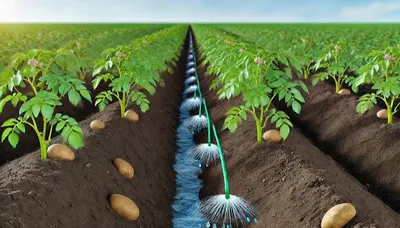
Good-quality seed and proper fertilizer are important for potato production, but soil and irrigation water quality can also affect crop growth and yield.
Potato is sensitive to excess salt. When saline irrigation water is used repeatedly, salts can build up around the roots and affect plant growth and tuber development. A four-year study in Punjab found that potato yields under saline groundwater irrigation were 21% to 44% lower than under fresh-water irrigation in the first and fourth years studied, respectively. The results show why farmers should check water quality before planting. Source: Agricultural Water Management
How Can Salinity Affect Potato Crops?
Excess salt can make it harder for potato plants to absorb water. This may lead to:
- Poor or uneven plant growth.
- Reduced tuber development and lower yields.
- A greater share of smaller tubers in some conditions.
- Salt build-up in the root zone when irrigation and drainage are poorly managed.
The level of damage depends on water quality, soil type, rainfall, variety and farm management.
What Should Farmers Check Before Planting?
| Check | What Farmers Should Do |
|---|---|
| Soil salinity | Get the soil tested through a suitable soil-testing laboratory. |
| Irrigation water | Test borewell, tubewell or other water sources for salinity and suitability. |
| Field drainage | Check whether excess water can drain away properly. |
| Seed variety | Choose a variety suited to the local climate, soil and market. |
| Water availability | Plan how to provide suitable-quality water during important growth stages. |
Practical Steps to Reduce Risk
1. Test before planting: Do not judge water quality by taste or appearance. Use a laboratory test.
2. Use better-quality water where possible: Where suitable, blending saline groundwater with fresh canal water may help. The correct mix depends on test results and local advice.
3. Prevent salt build-up: Good drainage and suitable irrigation management are important. Leaching salts requires enough suitable-quality water and a way for the water to drain away.
4. Do not apply gypsum blindly: Gypsum is useful for certain sodic soil problems, but it is not a universal treatment for every saline soil. Follow soil-test results and expert advice.
5. Take local guidance: Farmers in areas with saline groundwater, including parts of Gujarat, should consult their local agricultural university or Krishi Vigyan Kendra before making major changes.
What This Means for Potato Farmers
- Before planting: Check soil and irrigation water quality.
- During crop growth: Monitor moisture, plant growth and drainage.
- Before choosing seed: Confirm that the variety suits local conditions and the intended market.
- For farm planning: Include water quality and soil management in the crop budget, not just seed and fertilizer costs.
🟢 PB Takeaway
Potato production starts with more than good seed. Healthy soil and suitable irrigation water help protect crop growth and yield. A soil and water test before planting can help farmers identify risks early and make better-informed decisions.