Market
Potato Prices Fall 11.5% as Food Inflation Rises in India
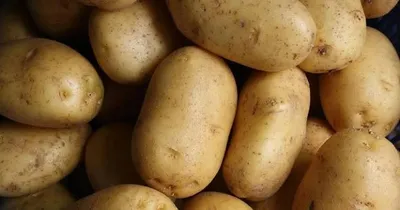
Potato prices in India were 11.5% lower in September 2026 compared with September 2025, according to the latest Consumer Price Index (CPI) data released by the Ministry of Statistics and Programme Implementation on 12 October.
The decline continued for a second consecutive month at a double-digit rate, following a 13.15% year-on-year fall in August. Meanwhile, overall food inflation rose to 7.74% in September from 5.97% in August, mainly reflecting sharp price increases in items such as onions and garlic.
For potato farmers, lower prices can put pressure on selling returns, particularly when production, harvesting, transport and storage costs remain high. For consumers, cheaper potatoes can help reduce household food expenses.
However, the CPI measures changes in retail prices, not the actual price received by farmers. Farm-gate returns continue to depend on local mandi rates, variety, quality, arrivals and selling costs.
Key Figures
| Indicator | September 2026 |
|---|---|
| Potato retail price change (year-on-year) | -11.50% |
| Potato price change in August (year-on-year) | -13.15% |
| Overall food inflation | 7.74% |
| Overall retail inflation | 5.54% |
| Onion price change (year-on-year) | +108.09% |
Source: Ministry of Statistics and Programme Implementation, CPI release dated 12 October 2026. September figures are provisional.
What This Means for PB Stakeholders
Farmers: Check local mandi rates and calculate net returns after harvesting, grading, transport and other costs. Lower retail inflation does not necessarily mean every farmer is receiving the same price.
Cold Storage Owners: Monitor stock movement, quality and local selling demand. Weak market prices can influence when stockholders choose to release potatoes, but storage decisions should be based on actual costs and expected returns.
Traders: Compare prices across nearby mandis, keeping transport expenses and quality differences in mind. National inflation figures are useful background information, not a substitute for daily market rates.
Processors and Buyers: Review procurement prices, variety requirements and quality specifications as market conditions change.
🟢 PB Takeaway
India's potato prices remained lower than a year earlier even as overall food inflation increased. This highlights the difference between consumer prices and returns across the potato supply chain.
For farmers and traders, the key is to track local mandi prices, market arrivals, quality and total selling costs before making selling or storage decisions.