Market
Spain Invests in Longer Potato Storage and Quality Branding to Improve Market Value
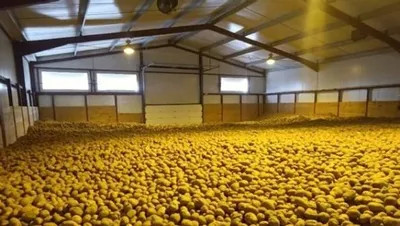
Spain’s potato sector is focusing on two areas: better storage infrastructure and improved product quality branding. According to a report published by Potatoes.News on 8 October, the Castilla y León region is developing a quality brand for locally grown potatoes, while the Udapa cooperative is investing €14 million in a new storage and processing facility in Júndiz, Spain. The facility is designed to preserve fresh potatoes for up to a year and will use optical sorting technology to identify defective or low-quality potatoes.
The developments come as Spain’s potato-growing area has declined and growers face pressure from hot weather and imported supplies. The new facility is expected to become operational by late 2026.
📊 Key Developments
| Development | Details |
|---|---|
| Storage investment | €14 million by Udapa |
| Storage objective | Preserve potatoes for up to 12 months |
| Quality technology | Optical sorting to identify defects |
| Regional initiative | Quality brand for Castilla y León potatoes |
| Additional processing | Washing, peeling and cutting potatoes into ready-to-use products |
🧊 Why This Matters for India’s Potato Sector
Farmers: Better grading and quality identification can help separate premium potatoes from lower-grade produce, potentially improving market positioning.
Cold Storage Owners: The investment highlights the importance of storage management, quality monitoring and reducing losses—not just increasing storage capacity.
Traders: Consistent grading and traceability can make it easier to supply buyers with specific quality requirements.
Processors: Washing, peeling, cutting and other value-added operations create additional uses for potatoes that meet the required standards.
🟢 PB Takeaway
Spain’s investment shows that the future of potato storage is not only about keeping potatoes for longer, but also about maintaining quality and creating more value from each crop. For India, improving grading, storage practices and links between farmers, traders and processors could help strengthen the potato supply chain.