Potato Processing Is Shifting Toward Asia — What Could It Mean for India?
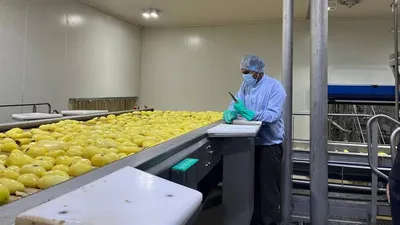
The global potato-processing industry is undergoing a structural shift. While European processors are increasingly focusing on automation, energy efficiency and getting more value from each potato, countries in Asia—particularly India and China—are expanding processing capacity.
The development is important for India because the country's processing industry is moving beyond traditional chips and into frozen fries, flakes and other value-added potato products. This could gradually increase demand for processing-suitable varieties and more organised supply chains.
At the same time, climate-related crop variability, rising labour costs and energy costs are pushing processors worldwide to invest in more efficient technologies.
📊 Global Processing Industry — Key Shift
| Region | Current Industry Direction | Main Focus |
|---|---|---|
| 🇪🇺 Europe | More efficiency | Automation, energy saving, quality |
| 🇮🇳 India | Capacity expansion | Frozen fries & value-added products |
| 🇨🇳 China | Rapid expansion | Processing scale & new capacity |
| 🌏 Asia | Growing importance | Processing & domestic demand |
This table summarises the direction described in the PotatoPro/CMB News report; it is not a measure of market-share percentages.
📈 Where Is the Industry Moving?
Europe
⚙️ Efficiency → Automation → Specialisation
Asia
🏭 New Capacity → Processing Growth → Value Addition
The report notes that the centre of gravity in potato processing is gradually shifting, with China, India and other regions increasing investment while European processors focus on efficiency and differentiation.
🍟 Why Processing Matters for India
India's growing processing capacity could gradually change the way potatoes are produced and marketed.
Processors need potatoes with specific characteristics such as appropriate dry matter, size, shape, reducing-sugar levels and consistency. This can increase the importance of contract farming, specialised varieties, quality testing and organised procurement.
For farmers, this means that the question may increasingly become not just "How much potato can I produce?", but "Which variety and quality can I produce for which buyer?"
🇮🇳 What This Means for PB Stakeholders
👨🌾 Farmers
Growing demand from processors could create opportunities for farmers producing varieties that meet specific processing requirements.
❄️ Cold Storage Owners
Processing potatoes require careful storage to maintain quality. Modern monitoring, temperature management and energy efficiency could become increasingly important.
🏭 Processors
India's expanding capacity creates opportunities, but processors will need reliable supplies of consistent-quality raw material.
🚛 Traders
As procurement becomes more specification-driven, traders may need to understand the difference between table, chip and processing-grade potatoes.
🟢 PB Takeaway
The global potato industry is moving from simply producing more potatoes toward producing and processing them more efficiently and with greater value addition.
For India, the expansion of processing capacity is an important development to watch. It could create new opportunities across farmer procurement, specialised varieties, cold storage, processing and exports.
But the opportunity will depend on whether India's supply chain can consistently deliver the right potato, at the right quality, to the right processor.