Market & Trade
How NCDEX Potato Futures 2026 Will Transform Price Discovery and Infrastructure
23 December 2025
How Agri-Enterprises and FPOs Can Leverage NCDEX Potato Futures
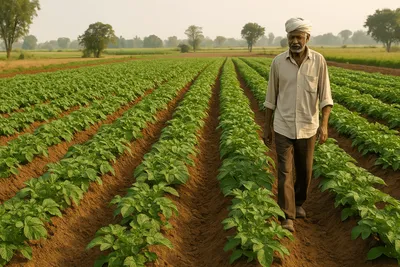
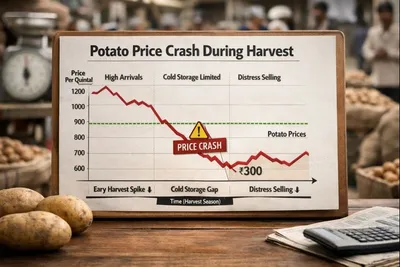
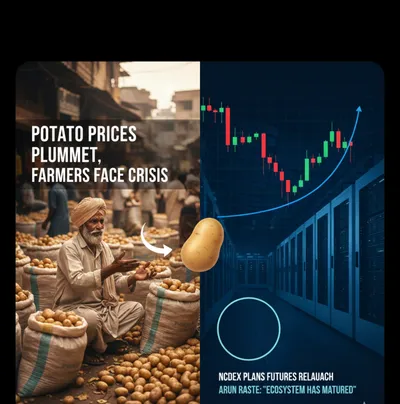
The Indian potato sector is at a crossroads. While production has hit a historic high of 58.1 million tonnes, wholesale prices have recently plummeted by over 30% year-on-year. This highlights a critical gap in our agricultural market: the lack of robust risk-management tools.
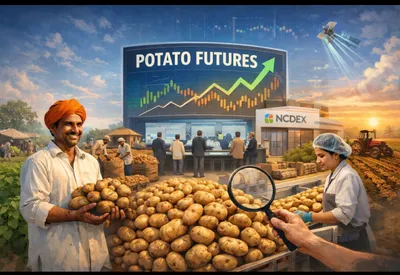
The proposed return of potato futures in 2026 isn't just a win for the exchange—it is a strategic opportunity for Farmer Producer Organizations (FPOs) and private agri-enterprises to shift from reactive to proactive market participation.
Here is how these entities can leverage the new ecosystem:
1. FPOs: From Price-Takers to Price-Makers
Small-holder farmers often suffer during supply gluts because they lack bargaining power.
Collective Hedging: FPOs can aggregate the produce of hundreds of farmers and sell "Futures Contracts" months before harvest. This locks in a guaranteed price, shielding members from price drops common during peak arrivals.
Direct Bank Linkages: Using Electronic Negotiable Warehouse Receipts (eNWRs), FPOs can secure low-interest pledge financing. Instead of a distress sale at harvest, they can store potatoes in NCDEX-accredited cold storages and take a loan against the stock to pay farmers immediately.
2. Processing Companies: Margin Security
For snack manufacturers and exporters, potato prices are a major variable cost.
Procurement Budgeting: By buying futures, processing firms can fix their raw material costs for the entire season. This stability allows them to maintain consistent retail prices for chips and fries, even if the open market price of potatoes triples during the monsoon.
Quality Standardization: NCDEX contracts enforce strict "Processing Grade" parameters (e.g., specific dry matter and low reducing sugars). Companies can use these benchmarks to create high-standard procurement contracts with their contract farmers.
3. Storage & Logistics Firms: New Revenue Streams
The 2026 relaunch relies heavily on the "matured" cold storage network.
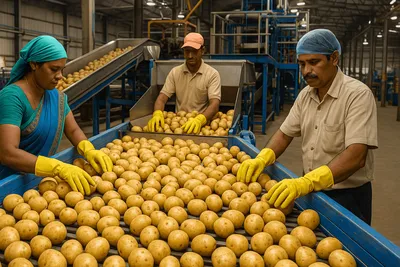
Accreditation Opportunities: Private cold storage owners can get their facilities NCDEX-accredited. This not only increases their occupancy rates but also allows them to offer specialized services like grading and assaying, which are required for exchange-based deliveries.
By mulling the relaunch of Potato Futures in 2026, NCDEX has signaled a new era for price stability.
The Indian potato sector is at a crossroads. While production has hit a historic high of 58.1 million tonnes, wholesale prices have recently plummeted by over 30% year-on-year. This highlights a critical gap in our agricultural market: the lack of robust risk-management tools.
The proposed return of potato futures in 2026 isn't just a win for the exchange—it is a strategic opportunity for Farmer Producer Organizations (FPOs) and private agri-enterprises to shift from reactive to proactive market participation.
Here is how these entities can leverage the new ecosystem:
1. FPOs: From Price-Takers to Price-Makers
Small-holder farmers often suffer during supply gluts because they lack bargaining power.
Collective Hedging: FPOs can aggregate the produce of hundreds of farmers and sell "Futures Contracts" months before harvest. This locks in a guaranteed price, shielding members from price drops common during peak arrivals.
Direct Bank Linkages: Using Electronic Negotiable Warehouse Receipts (eNWRs), FPOs can secure low-interest pledge financing. Instead of a distress sale at harvest, they can store potatoes in NCDEX-accredited cold storages and take a loan against the stock to pay farmers immediately.
2. Processing Companies: Margin Security
For snack manufacturers and exporters, potato prices are a major variable cost.
Procurement Budgeting: By buying futures, processing firms can fix their raw material costs for the entire season. This stability allows them to maintain consistent retail prices for chips and fries, even if the open market price of potatoes triples during the monsoon.
Quality Standardization: NCDEX contracts enforce strict "Processing Grade" parameters (e.g., specific dry matter and low reducing sugars). Companies can use these benchmarks to create high-standard procurement contracts with their contract farmers.
3. Storage & Logistics Firms: New Revenue Streams
The 2026 relaunch relies heavily on the "matured" cold storage network.
Accreditation Opportunities: Private cold storage owners can get their facilities NCDEX-accredited. This not only increases their occupancy rates but also allows them to offer specialized services like grading and assaying, which are required for exchange-based deliveries.
By mulling the relaunch of Potato Futures in 2026, NCDEX has signaled a new era for price stability.
Tags
#Agriculture #Commodities #NCDPotato