Research & Innovation
How Sensors Reduce Loss in Cold Storage
9 June 2026
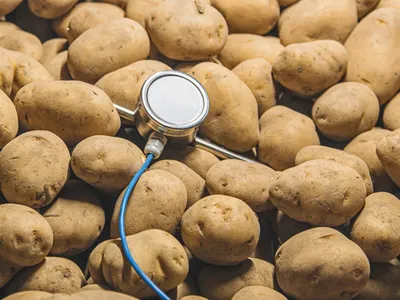
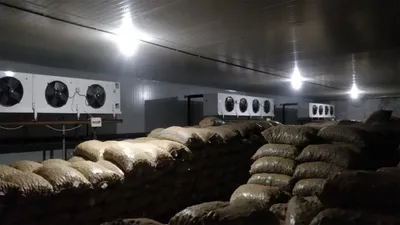
Cold storage plays a critical role in India's potato industry. Millions of tonnes of potatoes are stored every year to ensure year-round supply and stabilize markets.
However, maintaining potato quality during long storage periods is not simply a matter of keeping temperatures low. Even small variations in temperature, humidity, airflow, or ventilation can lead to significant losses.
This is where sensor-based monitoring and Internet of Things (IoT) technology are beginning to transform modern cold storage management.
What is IoT in Cold Storage?
The Internet of Things (IoT) refers to a network of connected devices that continuously collect and share information.
In cold storage facilities, sensors are installed throughout storage chambers to monitor conditions in real time.
Instead of relying solely on manual inspections, operators receive continuous updates about storage conditions and can respond immediately when problems arise.
Key Parameters Monitored by Sensors
Temperature
Temperature is one of the most important factors affecting potato quality.
If temperatures rise unexpectedly:
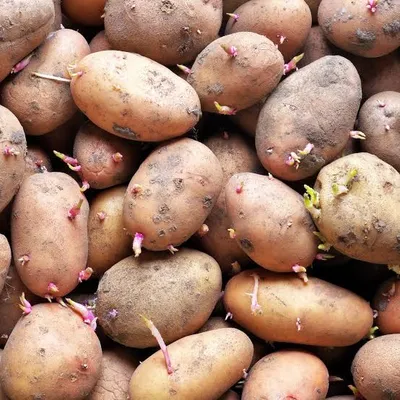
Sprouting may increase
Weight loss may accelerate
Disease development can occur
Continuous monitoring helps operators detect fluctuations before they become serious.
Humidity
Potatoes naturally lose moisture during storage.
Low humidity can increase shrinkage and weight loss, while excessive humidity can encourage disease development.
Sensors help maintain a balanced environment.
Carbon Dioxide Levels
Respiration continues even after harvest.
Excessive carbon dioxide buildup may affect storage conditions and potato quality.
Modern systems can monitor gas concentrations and improve ventilation management.
Equipment Performance
IoT systems can also monitor refrigeration equipment.
Early warnings can identify problems before a major breakdown occurs, preventing large-scale losses.
Benefits for Cold Storage Operators
Reduced Storage Losses
Real-time monitoring allows operators to take corrective action quickly, reducing spoilage and quality deterioration.
Improved Energy Efficiency
Cold storage facilities consume significant electricity.
Sensor data helps optimize cooling cycles and ventilation systems, reducing energy costs.
Better Quality Preservation
Maintaining stable conditions helps preserve:
Tuber firmness
Processing quality
Market appearance
Storage life
Data-Driven Decisions
Historical data helps operators identify recurring issues and improve future storage management practices.
Future Trends
Advanced storage facilities are increasingly adopting:
Wireless sensor networks
Automated alerts
Remote monitoring systems
Artificial intelligence-based predictive maintenance
As technology costs decline, these tools are becoming accessible to a wider range of storage operators.
PB Takeaway
Cold storage management is becoming increasingly data-driven. Sensors and IoT technology help operators maintain optimal storage conditions, reduce losses, improve efficiency, and protect the value of stored potatoes throughout the season.
However, maintaining potato quality during long storage periods is not simply a matter of keeping temperatures low. Even small variations in temperature, humidity, airflow, or ventilation can lead to significant losses.
This is where sensor-based monitoring and Internet of Things (IoT) technology are beginning to transform modern cold storage management.
What is IoT in Cold Storage?
The Internet of Things (IoT) refers to a network of connected devices that continuously collect and share information.
In cold storage facilities, sensors are installed throughout storage chambers to monitor conditions in real time.
Instead of relying solely on manual inspections, operators receive continuous updates about storage conditions and can respond immediately when problems arise.
Key Parameters Monitored by Sensors
Temperature
Temperature is one of the most important factors affecting potato quality.
If temperatures rise unexpectedly:
Sprouting may increase
Weight loss may accelerate
Disease development can occur
Continuous monitoring helps operators detect fluctuations before they become serious.
Humidity
Potatoes naturally lose moisture during storage.
Low humidity can increase shrinkage and weight loss, while excessive humidity can encourage disease development.
Sensors help maintain a balanced environment.
Carbon Dioxide Levels
Respiration continues even after harvest.
Excessive carbon dioxide buildup may affect storage conditions and potato quality.
Modern systems can monitor gas concentrations and improve ventilation management.
Equipment Performance
IoT systems can also monitor refrigeration equipment.
Early warnings can identify problems before a major breakdown occurs, preventing large-scale losses.
Benefits for Cold Storage Operators
Reduced Storage Losses
Real-time monitoring allows operators to take corrective action quickly, reducing spoilage and quality deterioration.
Improved Energy Efficiency
Cold storage facilities consume significant electricity.
Sensor data helps optimize cooling cycles and ventilation systems, reducing energy costs.
Better Quality Preservation
Maintaining stable conditions helps preserve:
Tuber firmness
Processing quality
Market appearance
Storage life
Data-Driven Decisions
Historical data helps operators identify recurring issues and improve future storage management practices.
Future Trends
Advanced storage facilities are increasingly adopting:
Wireless sensor networks
Automated alerts
Remote monitoring systems
Artificial intelligence-based predictive maintenance
As technology costs decline, these tools are becoming accessible to a wider range of storage operators.
PB Takeaway
Cold storage management is becoming increasingly data-driven. Sensors and IoT technology help operators maintain optimal storage conditions, reduce losses, improve efficiency, and protect the value of stored potatoes throughout the season.
Tags
#ColdStorage#IoT#PostHarvestManagement