Farming (Agronomy)
Why Potatoes Sprout or Turn Sweet in Cold Storage
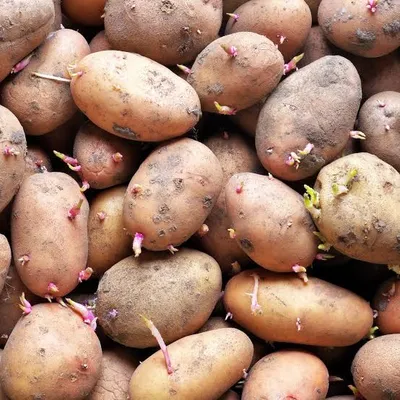
Cold storage has become an essential component of the potato supply chain. It allows potatoes harvested during a short production season to be supplied to markets, processors, and consumers throughout the year. However, maintaining potato quality during long-term storage is a complex task. Two of the most common challenges faced by storage operators and traders are sprouting and sweetening . Both can significantly affect market value, processing quality, and consumer acceptance. Understanding why these changes occur is critical for effective storage management.
Why Potatoes Continue to Change After Harvest Many people assume that potatoes become inactive after harvest. In reality, potatoes remain living biological organisms. Even in storage, potatoes continue to: Respire Lose moisture Undergo biochemical changes Respond to environmental conditions The way potatoes are stored directly influences these processes. Understanding Potato Dormancy After harvest, potatoes enter a natural resting period known as dormancy .
During dormancy, sprouts do not develop even if environmental conditions are favorable. The length of dormancy depends on: Potato variety Growing conditions Maturity at harvest Storage conditions Once dormancy ends, sprout development begins. Why Potatoes Sprout Sprouting is a natural biological process that occurs when the tuber begins preparing for a new growth cycle. Several factors can accelerate sprouting.
1. Storage Temperature Higher temperatures generally encourage sprout growth. If storage temperatures are not properly maintained, sprouting may begin earlier than expected.
2. Storage Duration The longer potatoes remain in storage, the greater the likelihood of dormancy breaking and sprouts emerging. 3. Variety Characteristics Different potato varieties have different dormancy periods. Some varieties naturally resist sprouting longer than others.
4. Physical Damage Bruised or damaged potatoes may lose dormancy more quickly and become more vulnerable to quality deterioration. Why Sprouting is a Problem Sprouting creates several challenges. Weight Loss Sprouts consume stored nutrients and moisture, reducing saleable weight. Quality Reduction Sprouted potatoes often appear less attractive to buyers and consumers. Market Discounts Many buyers pay lower prices for heavily sprouted stock. Increased Disease Risk Sprouting can create entry points for certain pathogens and increase deterioration. Why Potatoes Turn Sweet Another common storage issue is sweetening . This occurs when starch stored inside the potato is converted into sugars. The process is particularly common when potatoes are exposed to low storage temperatures for extended periods.
This phenomenon is known as cold-induced sweetening . Impact on Processing Quality Sweetening is particularly important for potatoes destined for chips and French fries. When potatoes with high sugar content are fried: Excessive browning occurs Product appearance deteriorates Unwanted flavors may develop Processors often reject potatoes that exceed acceptable sugar levels. Managing Sprouting and Sweetening Storage managers constantly balance two competing objectives: Prevent sprouting Minimize sugar accumulation Achieving both requires careful control of storage conditions. Temperature Management Maintaining recommended storage temperatures helps slow biological activity while minimizing excessive sugar formation. Variety Selection Different varieties respond differently to storage conditions. Storage strategies should be adapted to variety characteristics and intended market use. Monitoring Storage Conditions Regular monitoring allows operators to detect problems before quality losses become severe. Proper Pre-Storage Handling Careful curing and handling reduce physical damage and improve storage performance. Economic Importance For traders, processors, and cold storage operators, maintaining potato quality directly affects profitability. Poor storage management can result in: Reduced market value Processing rejections Higher storage losses Lower customer satisfaction As storage durations increase, quality management becomes increasingly important. Looking Ahead Research continues to explore new methods for extending storage life while maintaining quality. Advances in storage technology, environmental monitoring, and post-harvest management are helping the industry reduce losses and improve efficiency. The goal is not simply to store potatoes longer but to preserve their value throughout the storage period.
PB Takeaway Sprouting and sweetening are natural processes that occur during potato storage, but their impact can be minimized through proper storage management. Understanding how temperature, variety, and storage duration influence these changes helps protect quality, improve marketability, and maximize returns throughout the storage season.