Supply Chain (Post Harvest Storage & Logistics)
How Potato Cold Storage Really Works
14 May 2026
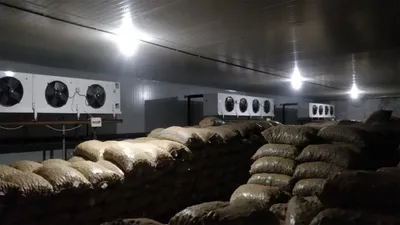
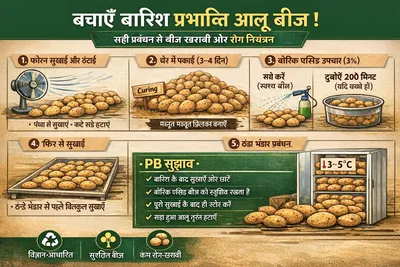
Cold storage plays a critical role in the potato industry by helping preserve potatoes after harvest and ensuring year-round market supply.
Unlike many fresh vegetables, potatoes can be stored for several months under controlled conditions if temperature, humidity, and ventilation are properly managed.
In major potato-producing regions, cold storages help stabilise market supply by preventing excessive post-harvest dumping immediately after harvest season.
The basic purpose of potato cold storage is to slow down:
• sprouting,
• moisture loss,
• rotting,
• and quality deterioration.
Potatoes are generally stored under carefully controlled temperature conditions depending on their intended use.
For example:
• table potatoes,
• seed potatoes,
• and processing potatoes
often require different storage management strategies.
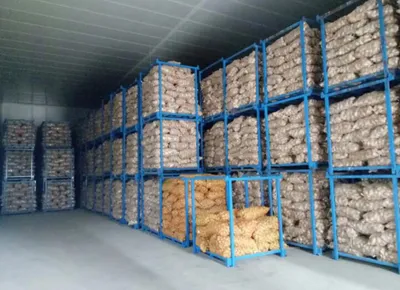
Inside a cold storage facility, temperature and humidity are continuously monitored to maintain potato quality over long periods.
Ventilation systems are also important because potatoes remain biologically active even during storage and continue releasing heat and moisture.
Improper storage management can lead to:
• shrinkage,
• blackening,
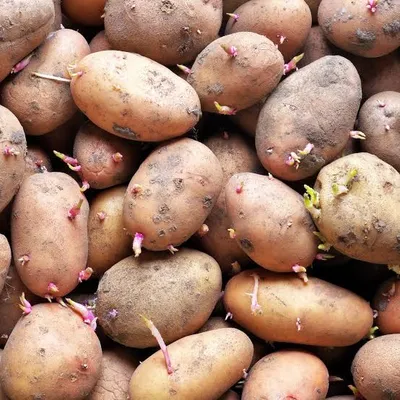
• sprouting,
• sugar build-up,
• and fungal diseases.
For processing potatoes, storage conditions become even more critical because excessive sugar accumulation can affect frying colour and product quality.
Modern cold storages increasingly use:
• automated monitoring systems,
• humidity control technology,
• digital temperature tracking,
• and energy-efficient refrigeration systems.
In India, cold storage infrastructure is heavily linked to the potato sector, especially in states such as Uttar Pradesh, West Bengal, Gujarat, and Punjab.
However, the industry also faces several operational challenges including:
• rising electricity costs,
• refrigeration expenses,
• maintenance costs,
• and financing pressure.
Storage economics become especially difficult during periods of weak potato prices because operators and traders may struggle to recover holding costs.
Despite these challenges, cold storage remains one of the most important pillars of the potato supply chain.
Without proper storage infrastructure, maintaining stable year-round potato availability would become extremely difficult in large consumption markets.
As India’s processing potato sector expands further, demand for advanced and efficient cold storage systems is also expected to increase significantly in the coming years.
Unlike many fresh vegetables, potatoes can be stored for several months under controlled conditions if temperature, humidity, and ventilation are properly managed.
In major potato-producing regions, cold storages help stabilise market supply by preventing excessive post-harvest dumping immediately after harvest season.
The basic purpose of potato cold storage is to slow down:
• sprouting,
• moisture loss,
• rotting,
• and quality deterioration.
Potatoes are generally stored under carefully controlled temperature conditions depending on their intended use.
For example:
• table potatoes,
• seed potatoes,
• and processing potatoes
often require different storage management strategies.
Inside a cold storage facility, temperature and humidity are continuously monitored to maintain potato quality over long periods.
Ventilation systems are also important because potatoes remain biologically active even during storage and continue releasing heat and moisture.
Improper storage management can lead to:
• shrinkage,
• blackening,
• sprouting,
• sugar build-up,
• and fungal diseases.
For processing potatoes, storage conditions become even more critical because excessive sugar accumulation can affect frying colour and product quality.
Modern cold storages increasingly use:
• automated monitoring systems,
• humidity control technology,
• digital temperature tracking,
• and energy-efficient refrigeration systems.
In India, cold storage infrastructure is heavily linked to the potato sector, especially in states such as Uttar Pradesh, West Bengal, Gujarat, and Punjab.
However, the industry also faces several operational challenges including:
• rising electricity costs,
• refrigeration expenses,
• maintenance costs,
• and financing pressure.
Storage economics become especially difficult during periods of weak potato prices because operators and traders may struggle to recover holding costs.
Despite these challenges, cold storage remains one of the most important pillars of the potato supply chain.
Without proper storage infrastructure, maintaining stable year-round potato availability would become extremely difficult in large consumption markets.
As India’s processing potato sector expands further, demand for advanced and efficient cold storage systems is also expected to increase significantly in the coming years.
Tags
#ColdStorage#PostHarvestManagement#ColdChain