Farming (Agronomy)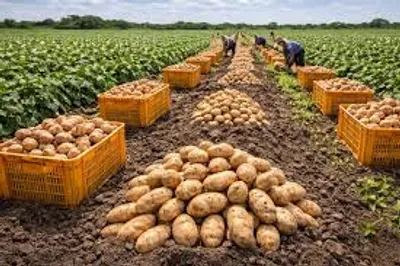
How to Make Potato Farming Profitable and Sustainable
How to Make Potato Farming Profitable and Sustainable
9 April 2026
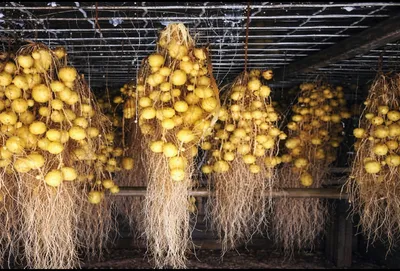
Potato farming in India has traditionally focused on maximizing yield, but rising input costs, climate variability, and soil degradation are pushing farmers to rethink their approach. Today, the focus is shifting towards sustainable farming practices that not only protect the environment but also improve long-term profitability. Sustainable potato farming is about doing more with less — reducing unnecessary input costs while maintaining or improving yield quality. 1. Soil Health as the FoundationHealthy soil is critical for consistent potato production. Regular soil testing helps farmers apply the right nutrients instead of overusing fertilizers. Incorporating organic matter such as compost or farmyard manure improves soil structure, water retention, and microbial activity. 2. Efficient Fertilizer ManagementExcessive fertilizer use increases costs without proportionate yield gains. Adopting balanced nutrient application based on crop stage and soil condition helps reduce input costs and prevents long-term soil damage. 3. Smart Irrigation PracticesPotatoes require controlled irrigation, especially during tuber formation. Using drip irrigation or scheduled watering can reduce water usage by up to 30–40% while improving crop quality. 4. Crop Rotation and DiversificationContinuous potato cultivation in the same field can lead to pest buildup and soil fatigue. Practicing crop rotation (e.g., with pulses or cereals) helps break pest cycles and improves soil fertility. 5. Integrated Pest & Disease ManagementInstead of relying only on chemicals, farmers can adopt Integrated Pest Management (IPM) through: Timely monitoring.Use of resistant varieties.Limited and targeted pesticide use.This reduces costs and minimizes environmental impact. 6. Reducing Post-Harvest LossesA significant portion of losses occurs after harvest. Proper grading, storage, and handling can help farmers retain value. Using cold storage strategically instead of distress selling ensures better price realization. 7. Market-Oriented ProductionProfitability is not just about yield but also about selling at the right price. Farmers should align production with: Market demand (table vs. processing varieties).Contract farming opportunities.Real-time mandi trends.Why This Matters TodayWith increasing price fluctuations and rising costs, sustainable practices are no longer optional. They help farmers: Reduce production costs.Improve yield quality.Ensure long-term soil productivity.Sustainability is not just environmental — it is economic survival for future farming. PB INSIGHTFarmers who adopt cost-efficient and market-linked practices often achieve better margins than those focusing only on high production. QUICK FACTSFocus: Profit + Sustainability.Key Areas: Soil, water, fertilizer, and pest management.Benefits: Lower costs, stable yields, and better price realization.Relevance: High for all potato-growing regions.
Tags
#SustainableFarming#AgriPractices#PotatoFarming