
Events
31 March 2026
27 views
Source:Team Potato Bazaar
India’s Fertiliser Supply Under Stress Amid Iran War – What Farmers Must Know
India’s Fertiliser Supply Under Stress Amid Iran War – What Farmers Must Know
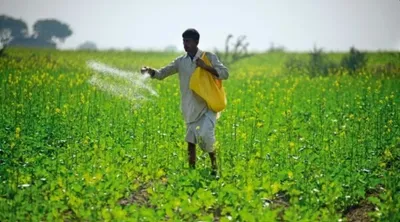
India’s Fertiliser Situation Amid the Iran War: A Demand–Supply Stress Test
1. Introduction: A Geopolitical Shock to Agriculture
The ongoing Iran conflict has significantly disrupted global fertiliser markets, placing India in a vulnerable position ahead of the Kharif sowing season. As one of the world’s largest fertiliser consumers, India is highly dependent on imports, particularly from the Middle East. The crisis has impacted supply chains, production, and pricing, raising concerns over timely availability for farmers.
2. India’s Fertiliser Demand–Supply Structure
India’s fertiliser demand continues to outpace domestic production. Annual urea demand is around 40 million tonnes, with domestic output of about 30 million tonnes and imports bridging the gap. For DAP, demand is approximately 10 million tonnes, while domestic production is only 3.5 million tonnes, making imports critical. In the case of potash (MOP), India is almost entirely import-dependent, consuming about 3 million tonnes annually. This structural reliance on imports makes the sector highly sensitive to global disruptions.
3. Current Stock Position (March 2026)
India currently has around 18 million tonnes of fertiliser stock against an estimated requirement of nearly 39 million tonnes for the upcoming season. This indicates that less than half of the required supply is available, increasing dependence on timely imports and improved domestic production in the coming months.
4. Impact of Iran War on Supply Side
A. Disruption of Critical Supply Routes
The Strait of Hormuz remains a key chokepoint for fertilisers and LNG supplies. India sources 20–30% of its fertiliser imports from the Gulf region, making it directly exposed to disruptions in this corridor.
B. Domestic Production Hit by LNG Shortage
Urea production has been impacted due to LNG shortages, with output falling from about 24 lakh tonnes per month to nearly 18 lakh tonnes. Several plants are operating at reduced capacity, affecting overall availability.
C. Import Challenges
Shipping delays, higher freight costs, and insurance premiums have complicated imports. India has responded by issuing large tenders and diversifying sourcing to countries such as Russia, Morocco, and Canada.
5. Price Shock: Rising Fertiliser Costs
Global fertiliser prices have surged sharply. Urea prices have increased by 30–50%, while ammonia prices have also risen significantly. These increases are driven by higher gas costs, disrupted supply chains, and export restrictions.
6. Government Response
Supply-Side Measures
The government is actively diversifying import sources, securing long-term contracts, and monitoring distribution to prevent hoarding and ensure equitable availability.
Policy Buffer:Fertiliser subsidies, estimated at around ₹1.7 lakh crore, continue to shield farmers from price volatility and maintain stable retail prices.
7. Demand Outlook: Kharif Season Risk
Peak fertiliser demand occurs during June–July for Kharif sowing. The current situation is considered vulnerable, with risks arising from delayed imports, reduced domestic production, and price volatility.
8. Broader Implications
Higher fertiliser costs may impact farm profitability and crop yields. There is also a risk of food inflation if supply constraints persist. Additionally, increased subsidy requirements and import bills could strain government finances.
9. Key Takeaways
India remains highly import-dependent for key fertilisers. Supply chain disruptions and LNG shortages have impacted both imports and domestic production. Prices have risen sharply, though subsidies provide short-term relief. The upcoming Kharif season will be a critical test for supply stability.
10. Conclusion
India’s fertiliser situation reflects the broader impact of geopolitical tensions on agriculture. While current interventions provide some cushion, the system remains fragile. Ensuring timely supply before the Kharif season will be crucial to avoid disruptions in farm output and food prices.
1. Introduction: A Geopolitical Shock to Agriculture
The ongoing Iran conflict has significantly disrupted global fertiliser markets, placing India in a vulnerable position ahead of the Kharif sowing season. As one of the world’s largest fertiliser consumers, India is highly dependent on imports, particularly from the Middle East. The crisis has impacted supply chains, production, and pricing, raising concerns over timely availability for farmers.
2. India’s Fertiliser Demand–Supply Structure
India’s fertiliser demand continues to outpace domestic production. Annual urea demand is around 40 million tonnes, with domestic output of about 30 million tonnes and imports bridging the gap. For DAP, demand is approximately 10 million tonnes, while domestic production is only 3.5 million tonnes, making imports critical. In the case of potash (MOP), India is almost entirely import-dependent, consuming about 3 million tonnes annually. This structural reliance on imports makes the sector highly sensitive to global disruptions.
3. Current Stock Position (March 2026)
India currently has around 18 million tonnes of fertiliser stock against an estimated requirement of nearly 39 million tonnes for the upcoming season. This indicates that less than half of the required supply is available, increasing dependence on timely imports and improved domestic production in the coming months.
4. Impact of Iran War on Supply Side
A. Disruption of Critical Supply Routes
The Strait of Hormuz remains a key chokepoint for fertilisers and LNG supplies. India sources 20–30% of its fertiliser imports from the Gulf region, making it directly exposed to disruptions in this corridor.
B. Domestic Production Hit by LNG Shortage
Urea production has been impacted due to LNG shortages, with output falling from about 24 lakh tonnes per month to nearly 18 lakh tonnes. Several plants are operating at reduced capacity, affecting overall availability.
C. Import Challenges
Shipping delays, higher freight costs, and insurance premiums have complicated imports. India has responded by issuing large tenders and diversifying sourcing to countries such as Russia, Morocco, and Canada.
5. Price Shock: Rising Fertiliser Costs
Global fertiliser prices have surged sharply. Urea prices have increased by 30–50%, while ammonia prices have also risen significantly. These increases are driven by higher gas costs, disrupted supply chains, and export restrictions.
6. Government Response
Supply-Side Measures
The government is actively diversifying import sources, securing long-term contracts, and monitoring distribution to prevent hoarding and ensure equitable availability.
Policy Buffer:Fertiliser subsidies, estimated at around ₹1.7 lakh crore, continue to shield farmers from price volatility and maintain stable retail prices.
7. Demand Outlook: Kharif Season Risk
Peak fertiliser demand occurs during June–July for Kharif sowing. The current situation is considered vulnerable, with risks arising from delayed imports, reduced domestic production, and price volatility.
8. Broader Implications
Higher fertiliser costs may impact farm profitability and crop yields. There is also a risk of food inflation if supply constraints persist. Additionally, increased subsidy requirements and import bills could strain government finances.
9. Key Takeaways
India remains highly import-dependent for key fertilisers. Supply chain disruptions and LNG shortages have impacted both imports and domestic production. Prices have risen sharply, though subsidies provide short-term relief. The upcoming Kharif season will be a critical test for supply stability.
10. Conclusion
India’s fertiliser situation reflects the broader impact of geopolitical tensions on agriculture. While current interventions provide some cushion, the system remains fragile. Ensuring timely supply before the Kharif season will be crucial to avoid disruptions in farm output and food prices.
#India’s Fertiliser Situation#Kharif 2026₹Urea Prices#Iran War Impact on farmers