Heavy Rain Alert Across Several States: What It Means for India's Potato Industry
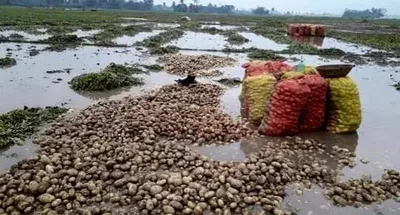
The India Meteorological Department (IMD) has issued heavy to extremely heavy rainfall alerts for several states, including Gujarat, Madhya Pradesh, Maharashtra, Punjab, Haryana, Rajasthan, Odisha, Kerala, Karnataka, Delhi-NCR, and parts of Uttar Pradesh, as the southwest monsoon becomes highly active over the next two days.
While potato harvesting has already concluded in most major producing states, the active monsoon is expected to affect storage operations, transportation, wholesale markets, and interstate movement of potatoes.
Impact on Cold Storages
Heavy rainfall can create operational challenges for cold-storage facilities, particularly in regions experiencing waterlogging or power disruptions.
Cold-storage operators should closely monitor:
- Continuous electricity supply
- Drainage around storage premises
- Humidity levels inside storage units
- Vehicle movement for loading and dispatch
Efficient storage management during the monsoon is essential to maintain potato quality and minimize post-harvest losses.
Challenges for Traders
Intermittent heavy rainfall may temporarily disrupt the movement of potatoes between producing and consuming markets.
Possible impacts include:
- Slower truck movement
- Delays in mandi arrivals
- Higher transportation costs
- Delivery schedule disruptions
Traders planning interstate dispatches should stay updated with local weather forecasts and road conditions before scheduling shipments.
What Farmers Should Watch
Although most ware potatoes have already been harvested, farmers storing potatoes for later sale should ensure that:
- Stored produce remains protected from excess moisture.
- Farm access roads remain usable for transportation.
- Drainage around storage sheds and warehouses is maintained.
- Seed potato stocks are kept under recommended storage conditions.
Proper post-harvest management during the monsoon can help preserve quality and reduce losses.
Why This Matters
India's potato industry depends not only on production but also on efficient storage and logistics. During the monsoon season, weather-related disruptions can influence market arrivals, transportation costs, and the timely movement of potatoes from cold storages to wholesale markets.
For farmers, traders, and cold-storage owners, staying prepared during periods of heavy rainfall is as important as monitoring market prices.
PB Takeaway
The IMD's latest rainfall alert serves as a reminder that monsoon weather affects every stage of the potato supply chain—not just cultivation. Proactive planning, careful storage management, and timely transportation decisions can help reduce risks and ensure smooth market operations during the rainy season.