Market
10 June 2026
24 views
Source:Team Potatobazaar
Potato Prices Under Pressure: Is India Heading Towards a Storage-Led Market Crisis?
Potato Prices Under Pressure: Is India Heading Towards a Storage-Led Market Crisis?
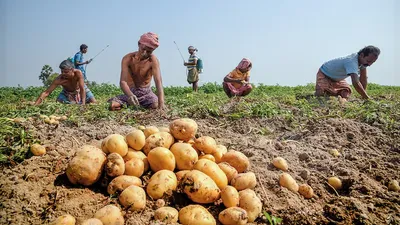
India's potato industry is facing one of its toughest phases in recent years. Across major producing states such as Uttar Pradesh, West Bengal, Gujarat, Bihar, Punjab, and Madhya Pradesh, farmers are struggling with low market prices despite a strong harvest. While production has remained high, demand has not grown at the same pace, creating a situation where large quantities of potatoes are moving into cold storages and market arrivals continue to put pressure on prices.
The result is a growing concern across the value chain—from farmers and traders to cold storage operators.
Why Are Prices Falling?
The biggest reason is simple: supply is currently higher than demand.
Many farmers increased potato cultivation after seeing better prices in previous seasons. This has led to higher production and increased arrivals in mandis across the country. At the same time, traders remain cautious and are purchasing only according to demand requirements. This imbalance has prevented prices from recovering meaningfully.
In several producing regions, farmers have reported selling potatoes at rates that are below their total cost of cultivation, creating significant financial stress.
The Cold Storage Challenge
The entire market is now looking towards cold storages.
A large portion of the crop has already moved into storage, while additional stocks continue to arrive. The industry is entering a phase where storage decisions may have a major influence on market direction over the coming months. Farmers who can afford to hold stock are waiting for better prices, while those needing immediate cash are forced to sell. Meanwhile, traders are closely monitoring storage volumes before making large buying commitments.
This has created a wait-and-watch situation across the potato belt.
What Does This Mean for Traders?
For traders, the current market presents both risk and opportunity.
If excessive quantities remain stored for an extended period, the market could continue to face pressure. However, if demand improves and arrivals slow down after the storage season, prices may find support later in the year. The next few months will therefore be critical for understanding whether the market moves towards recovery or remains under pressure.
What Should Farmers Watch?
Farmers should closely monitor:
• Cold storage loading trends
• Demand from major consumption markets
• Processing industry procurement activity
• Interstate movement of potatoes
• Changes in mandi arrivals
These factors will likely determine the direction of prices during the coming season.
PB Takeaway
The Indian potato market is currently facing a classic surplus situation. High production, weak demand growth, and rising storage dependence have created uncertainty across the industry. While immediate price recovery remains difficult, the market's next move will largely depend on how stored stocks are managed and how demand develops during the coming months.
For now, one thing is clear: the battle has shifted from the field to the cold storage, and the decisions taken today may shape potato prices for the rest of 2026.
The result is a growing concern across the value chain—from farmers and traders to cold storage operators.
Why Are Prices Falling?
The biggest reason is simple: supply is currently higher than demand.
Many farmers increased potato cultivation after seeing better prices in previous seasons. This has led to higher production and increased arrivals in mandis across the country. At the same time, traders remain cautious and are purchasing only according to demand requirements. This imbalance has prevented prices from recovering meaningfully.
In several producing regions, farmers have reported selling potatoes at rates that are below their total cost of cultivation, creating significant financial stress.
The Cold Storage Challenge
The entire market is now looking towards cold storages.
A large portion of the crop has already moved into storage, while additional stocks continue to arrive. The industry is entering a phase where storage decisions may have a major influence on market direction over the coming months. Farmers who can afford to hold stock are waiting for better prices, while those needing immediate cash are forced to sell. Meanwhile, traders are closely monitoring storage volumes before making large buying commitments.
This has created a wait-and-watch situation across the potato belt.
What Does This Mean for Traders?
For traders, the current market presents both risk and opportunity.
If excessive quantities remain stored for an extended period, the market could continue to face pressure. However, if demand improves and arrivals slow down after the storage season, prices may find support later in the year. The next few months will therefore be critical for understanding whether the market moves towards recovery or remains under pressure.
What Should Farmers Watch?
Farmers should closely monitor:
• Cold storage loading trends
• Demand from major consumption markets
• Processing industry procurement activity
• Interstate movement of potatoes
• Changes in mandi arrivals
These factors will likely determine the direction of prices during the coming season.
PB Takeaway
The Indian potato market is currently facing a classic surplus situation. High production, weak demand growth, and rising storage dependence have created uncertainty across the industry. While immediate price recovery remains difficult, the market's next move will largely depend on how stored stocks are managed and how demand develops during the coming months.
For now, one thing is clear: the battle has shifted from the field to the cold storage, and the decisions taken today may shape potato prices for the rest of 2026.
#FarmerAdvisory#PotatoPrices#ColdStorage