Farming (Agronomy)
Seed Size, Cutting & Seed Rate — How Much Seed Do You Really Need per Acre?
Seed Size, Cutting & Seed Rate — How Much Seed Do You Really Need per Acre?
25 August 2026
Seed is one of the major input costs in potato farming. Before planting, farmers need to decide what seed size to use, whether larger tubers should be cut, and how much seed is required per acre.
There is no single seed rate suitable for every farm. The actual requirement depends on tuber size, spacing, variety and the number of plants planned per acre.
Why Seed Size Matters
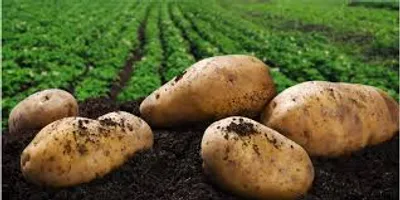
Seed tubers contain stored food that supports early plant growth. Very small seed may produce weaker plants, while very large tubers can increase seed costs unnecessarily.
Uniform seed size helps achieve more even planting, crop growth and tuber development.
Large seed tubers can sometimes be cut into smaller pieces to reduce seed costs. However, every seed piece should have at least one healthy, viable eye.
Cutting also increases the risk of disease entering through the cut surface. Knives and equipment should be clean, and damaged or diseased tubers should never be used for planting.
Farmers should follow locally recommended practices and allow cut seed to heal appropriately before planting where required.
How Much Seed Is Needed Per Acre?
Seed requirement depends mainly on the weight of individual seed tubers and the plant population.
For example, smaller seed tubers may require less total weight but more individual pieces, while larger tubers increase the total seed weight required per acre.
Rather than buying seed only by weight, farmers should calculate their expected plant population based on field spacing and average seed size.
Simple Planning Formula
Seed requirement = Number of planting spots × Average weight of each seed tuber or seed piece
For example, if a field requires more planting spots or larger seed pieces, the total seed requirement will increase.
Avoid Wasting Seed
Farmers can reduce unnecessary seed costs by:
Using reasonably uniform seed size.
Maintaining correct plant and row spacing.
Avoiding excessively large seed where it is not required.
Cutting only healthy, suitable-sized tubers.
Removing rotten or damaged seed before planting.
PB Takeaway
The right seed rate is not simply about buying more or less seed. It is about achieving the right plant population with healthy and properly sized seed.
Before planting, calculate your spacing, estimate the number of planting spots, check the average seed size and then plan your seed requirement. This can help control one of the biggest costs in potato production while supporting a healthy and uniform crop.
There is no single seed rate suitable for every farm. The actual requirement depends on tuber size, spacing, variety and the number of plants planned per acre.
Why Seed Size Matters
Seed tubers contain stored food that supports early plant growth. Very small seed may produce weaker plants, while very large tubers can increase seed costs unnecessarily.
Uniform seed size helps achieve more even planting, crop growth and tuber development.
Large seed tubers can sometimes be cut into smaller pieces to reduce seed costs. However, every seed piece should have at least one healthy, viable eye.
Cutting also increases the risk of disease entering through the cut surface. Knives and equipment should be clean, and damaged or diseased tubers should never be used for planting.
Farmers should follow locally recommended practices and allow cut seed to heal appropriately before planting where required.
How Much Seed Is Needed Per Acre?
Seed requirement depends mainly on the weight of individual seed tubers and the plant population.
For example, smaller seed tubers may require less total weight but more individual pieces, while larger tubers increase the total seed weight required per acre.
Rather than buying seed only by weight, farmers should calculate their expected plant population based on field spacing and average seed size.
Simple Planning Formula
Seed requirement = Number of planting spots × Average weight of each seed tuber or seed piece
For example, if a field requires more planting spots or larger seed pieces, the total seed requirement will increase.
Avoid Wasting Seed
Farmers can reduce unnecessary seed costs by:
Using reasonably uniform seed size.
Maintaining correct plant and row spacing.
Avoiding excessively large seed where it is not required.
Cutting only healthy, suitable-sized tubers.
Removing rotten or damaged seed before planting.
PB Takeaway
The right seed rate is not simply about buying more or less seed. It is about achieving the right plant population with healthy and properly sized seed.
Before planting, calculate your spacing, estimate the number of planting spots, check the average seed size and then plan your seed requirement. This can help control one of the biggest costs in potato production while supporting a healthy and uniform crop.
Tags
#PotatoSeed#SeedManagement#PotatoBazaar