Farming (Agronomy)
Table, Processing or Seed Potato — Decide Your Buyer Before You Sow
Table, Processing or Seed Potato — Decide Your Buyer Before You Sow
20 August 2026
Before planting potatoes, farmers often focus on which variety to grow and how much area to plant. However, one important question should come first: Who will buy my potatoes?
The answer can influence your choice of variety, seed quality, crop management, harvesting method and selling strategy. A potato grown for the fresh market may have very different requirements from one grown for chips, French fries or seed production.
Start With the Buyer
Before sowing, identify your likely market and understand what the buyer expects.
Type of Potato Main Buyer Requirement
Table Potato Good appearance, size and cooking quality
Processing Potato Specific dry matter, sugar and size requirements
Seed Potato High health, purity and quality standards
Table Potato
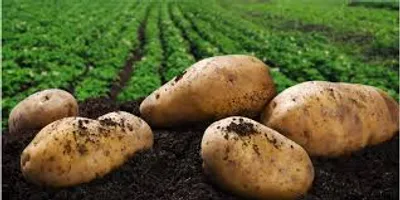
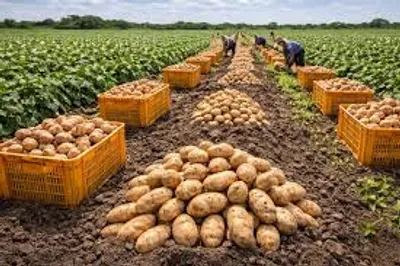
Table potatoes are mainly sold for fresh consumption through mandis, traders, wholesalers and retailers. Buyers generally look for potatoes with a good appearance, suitable size, uniform shape and acceptable cooking quality.
For this market, farmers should understand which varieties are preferred by local buyers and whether the crop can be sold immediately or stored for later sale.
Processing Potato
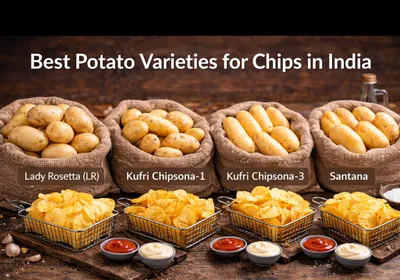
Processing potatoes are used for products such as chips, wafers and French fries. Processors may have stricter requirements related to dry matter, reducing sugars, tuber size, shape and frying quality.
Before planting for processing, farmers should ideally understand the processor's requirements and whether there is a reliable procurement opportunity. Growing a processing variety without a suitable buyer can create marketing challenges.
Seed Potato
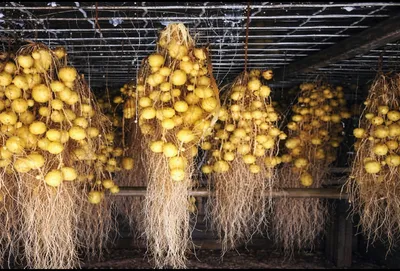
Seed production requires greater attention to seed health, varietal purity and disease management. The crop must be produced and handled according to the applicable quality and certification requirements.
Farmers planning seed production should not treat it like ordinary table potato cultivation. Proper planning, disease control and a clear understanding of seed standards are essential.
Plan Before You Sow
Before purchasing seed, ask yourself:
Who is my likely buyer?
What quality does that buyer require?
Which variety matches that requirement?
Is there sufficient demand in my area?
Can I store the crop if the market is weak?
Do I have a backup selling option?
Planning these points before sowing can reduce the risk of producing a crop that does not match market demand.
PB Takeaway
The best potato variety is not simply the one that produces the highest yield. It is the variety that matches your region, crop conditions and, most importantly, your buyer's requirements.
Decide your market before you sow, and plan your potato crop around the buyer.
The answer can influence your choice of variety, seed quality, crop management, harvesting method and selling strategy. A potato grown for the fresh market may have very different requirements from one grown for chips, French fries or seed production.
Start With the Buyer
Before sowing, identify your likely market and understand what the buyer expects.
Type of Potato Main Buyer Requirement
Table Potato Good appearance, size and cooking quality
Processing Potato Specific dry matter, sugar and size requirements
Seed Potato High health, purity and quality standards
Table Potato
Table potatoes are mainly sold for fresh consumption through mandis, traders, wholesalers and retailers. Buyers generally look for potatoes with a good appearance, suitable size, uniform shape and acceptable cooking quality.
For this market, farmers should understand which varieties are preferred by local buyers and whether the crop can be sold immediately or stored for later sale.
Processing Potato
Processing potatoes are used for products such as chips, wafers and French fries. Processors may have stricter requirements related to dry matter, reducing sugars, tuber size, shape and frying quality.
Before planting for processing, farmers should ideally understand the processor's requirements and whether there is a reliable procurement opportunity. Growing a processing variety without a suitable buyer can create marketing challenges.
Seed Potato
Seed production requires greater attention to seed health, varietal purity and disease management. The crop must be produced and handled according to the applicable quality and certification requirements.
Farmers planning seed production should not treat it like ordinary table potato cultivation. Proper planning, disease control and a clear understanding of seed standards are essential.
Plan Before You Sow
Before purchasing seed, ask yourself:
Who is my likely buyer?
What quality does that buyer require?
Which variety matches that requirement?
Is there sufficient demand in my area?
Can I store the crop if the market is weak?
Do I have a backup selling option?
Planning these points before sowing can reduce the risk of producing a crop that does not match market demand.
PB Takeaway
The best potato variety is not simply the one that produces the highest yield. It is the variety that matches your region, crop conditions and, most importantly, your buyer's requirements.
Decide your market before you sow, and plan your potato crop around the buyer.
Tags
#TablePotato#ProcessingPotato#SeedSelection