Farming (Agronomy)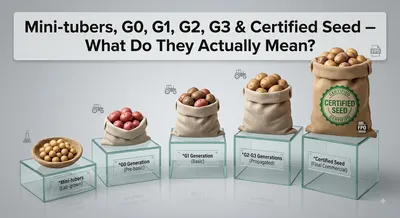
Mini-tubers, G0, G1, G2, G3 & Certified Seed — What Do They Actually Mean?
Mini-tubers, G0, G1, G2, G3 & Certified Seed — What Do They Actually Mean?
14 August 2026
Farmers often hear terms like mini-tubers, G0, G1, G2, G3 and Certified Seed when buying potato seed. Understanding these terms helps farmers know what they are buying and why seed quality matters.
From Mini-tuber to Farm Seed
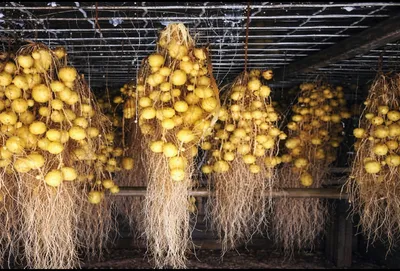
Potato seed production generally starts with disease-free planting material produced through tissue culture or other controlled systems. These plants produce small tubers called mini-tubers, which are then multiplied step by step in different generations.
Mini-tuber or G0 is the first and most basic stage. It is a small, disease-free starting tuber used for multiplication. From this, the first field multiplication is called G1, which helps produce more quantity of quality seed. The next stage is G2, where the seed is further multiplied to increase volume while maintaining quality. After that comes G3, which is another multiplication stage used in some systems to produce larger quantities of seed for further use. Finally, Certified Seed is the seed that meets official certification standards and is used by farmers for commercial cultivation.
The exact naming and system can vary, so farmers should always check the official seed label and certification details before purchase.
Why These Generations Matter
Potato is vegetatively propagated, meaning diseases can carry from one generation to the next through infected tubers. Starting with clean planting material and maintaining proper seed standards helps reduce disease build-up and maintain varietal purity.
However, a higher generation number does not automatically mean better seed. Seed health, certification, variety, production conditions, and storage are equally important.
What Should Farmers Check?
Before purchasing seed, always verify:
Variety: Is it suitable for your region and market?
Seed class/generation: What exactly are you buying?
Certification: Is the seed officially certified or quality-assured?
Health: Are tubers free from visible disease, rot and damage?
Source: Is the supplier reliable?
Records: Do you receive a proper bill or seed label?
PB Takeaway
Potato seed production is a quality multiplication chain that starts with disease-free material and moves through controlled generations. For farmers, the generation number alone is not enough. Always focus on variety, seed health, certification, source, and suitability before purchasing seed.
From Mini-tuber to Farm Seed
Potato seed production generally starts with disease-free planting material produced through tissue culture or other controlled systems. These plants produce small tubers called mini-tubers, which are then multiplied step by step in different generations.
Mini-tuber or G0 is the first and most basic stage. It is a small, disease-free starting tuber used for multiplication. From this, the first field multiplication is called G1, which helps produce more quantity of quality seed. The next stage is G2, where the seed is further multiplied to increase volume while maintaining quality. After that comes G3, which is another multiplication stage used in some systems to produce larger quantities of seed for further use. Finally, Certified Seed is the seed that meets official certification standards and is used by farmers for commercial cultivation.
The exact naming and system can vary, so farmers should always check the official seed label and certification details before purchase.
Why These Generations Matter
Potato is vegetatively propagated, meaning diseases can carry from one generation to the next through infected tubers. Starting with clean planting material and maintaining proper seed standards helps reduce disease build-up and maintain varietal purity.
However, a higher generation number does not automatically mean better seed. Seed health, certification, variety, production conditions, and storage are equally important.
What Should Farmers Check?
Before purchasing seed, always verify:
Variety: Is it suitable for your region and market?
Seed class/generation: What exactly are you buying?
Certification: Is the seed officially certified or quality-assured?
Health: Are tubers free from visible disease, rot and damage?
Source: Is the supplier reliable?
Records: Do you receive a proper bill or seed label?
PB Takeaway
Potato seed production is a quality multiplication chain that starts with disease-free material and moves through controlled generations. For farmers, the generation number alone is not enough. Always focus on variety, seed health, certification, source, and suitability before purchasing seed.
Tags
#PotatoSeed#MiniTubers#SeedProduction