Farming (Agronomy)
Integrated Pest Management (IPM) in potato crops after sowing
6 December 2025
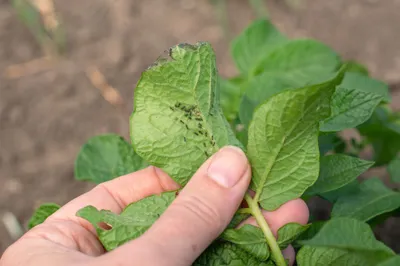
Integrated Pest Management (IPM) in potato crops after sowing
Integrated Pest Management (IPM) in potato crops after sowing is divided into three critical stages.
Stage 1: Emergence to First Hilling (Approx. 0 – 30 Days).
a) The focus is on protecting young seedlings from soil-borne pests and early virus transmission.
b) Seed Treatment Protection: Ensure seed tubers are treated with systemic insecticides before planting to protect emerging seedlings from Aphids (virus vectors) and early Cutworms.
c) Monitor Soil Pests: Use light traps in the field vicinity to monitor White Grubs and apply corrective soil drenching of recommended insecticides (e.g., Chlorpyriphos) around plant collars in the evening if Cutworm damage (cut seedlings) is observed.
d) PTM Monitoring: Install PTM (Potato Tuber Moth) pheromone traps (5-10 traps/acre) at the ground level immediately after emergence to monitor pest population build-up.
e) Weed Control: Apply a pre-emergence herbicide as weeds compete and act as alternative hosts for pests like aphids.
Stage 2: Hilling to Row Closure (Approx. 30 – 60 Days)
This is the most critical period, focusing on physical tuber protection and foliar pest control.
a) Timely High Hilling: Perform the first and second Earthing-Up (hilling) to create high, compact ridges. This is the single most effective cultural control measure against PTM as it physically blocks the moth from reaching developing tubers to lay eggs.
b) Aphid Control (Virus Management): Scout regularly. Apply systemic insecticides only as preventive sprays. This control is vital to prevent viral spread (e.g., PVY) in both commercial and seed crops.
c) Late Blight Prevention: Initiate preventative fungicide sprays (e.g., Mancozeb) before the canopy closes completely, especially during cool, wet weather, as this prevents devastating outbreaks of Late Blight.
d) Use Bio-Pesticides: Apply Neem-based formulations as a prophylactic measure or for managing low populations of minor pests in an eco-friendly manner.
Stage 3: Maturity to Haulm Killing
The focus shifts to tuber maturation, skin setting, and pre-harvest sanitation.
a) Final Disease Watch: Continue necessary fungicide applications for Late Blight until haulm cutting, strictly observing the Pre-Harvest Interval (PHI) of the chemical.
b) Haulm Killing: Cut or chemically kill the foliage (haulms) 7 to 10 days before harvest. This process is essential to allow the tuber skin to cure (set), increasing storage life and reducing susceptibility to storage pests and diseases.
c) Prompt Harvest: Harvest the crop immediately after the skin is set. Leaving tubers in the ground after maturity makes them highly vulnerable to infestation by PTM (entering through soil cracks) and Cutworms.
d) Field Sanitation: Immediately remove and destroy all crop debris and cull tubers from the field after harvest to eliminate breeding grounds for PTM and soil-borne pathogens.
Integrated Pest Management (IPM) in potato crops after sowing is divided into three critical stages.
Stage 1: Emergence to First Hilling (Approx. 0 – 30 Days).
a) The focus is on protecting young seedlings from soil-borne pests and early virus transmission.
b) Seed Treatment Protection: Ensure seed tubers are treated with systemic insecticides before planting to protect emerging seedlings from Aphids (virus vectors) and early Cutworms.
c) Monitor Soil Pests: Use light traps in the field vicinity to monitor White Grubs and apply corrective soil drenching of recommended insecticides (e.g., Chlorpyriphos) around plant collars in the evening if Cutworm damage (cut seedlings) is observed.
d) PTM Monitoring: Install PTM (Potato Tuber Moth) pheromone traps (5-10 traps/acre) at the ground level immediately after emergence to monitor pest population build-up.
e) Weed Control: Apply a pre-emergence herbicide as weeds compete and act as alternative hosts for pests like aphids.
Stage 2: Hilling to Row Closure (Approx. 30 – 60 Days)
This is the most critical period, focusing on physical tuber protection and foliar pest control.
a) Timely High Hilling: Perform the first and second Earthing-Up (hilling) to create high, compact ridges. This is the single most effective cultural control measure against PTM as it physically blocks the moth from reaching developing tubers to lay eggs.
b) Aphid Control (Virus Management): Scout regularly. Apply systemic insecticides only as preventive sprays. This control is vital to prevent viral spread (e.g., PVY) in both commercial and seed crops.
c) Late Blight Prevention: Initiate preventative fungicide sprays (e.g., Mancozeb) before the canopy closes completely, especially during cool, wet weather, as this prevents devastating outbreaks of Late Blight.
d) Use Bio-Pesticides: Apply Neem-based formulations as a prophylactic measure or for managing low populations of minor pests in an eco-friendly manner.
Stage 3: Maturity to Haulm Killing
The focus shifts to tuber maturation, skin setting, and pre-harvest sanitation.
a) Final Disease Watch: Continue necessary fungicide applications for Late Blight until haulm cutting, strictly observing the Pre-Harvest Interval (PHI) of the chemical.
b) Haulm Killing: Cut or chemically kill the foliage (haulms) 7 to 10 days before harvest. This process is essential to allow the tuber skin to cure (set), increasing storage life and reducing susceptibility to storage pests and diseases.
c) Prompt Harvest: Harvest the crop immediately after the skin is set. Leaving tubers in the ground after maturity makes them highly vulnerable to infestation by PTM (entering through soil cracks) and Cutworms.
d) Field Sanitation: Immediately remove and destroy all crop debris and cull tubers from the field after harvest to eliminate breeding grounds for PTM and soil-borne pathogens.
Tags
Potato Pest Control