Supply Chain (Post Harvest Storage & Logistics)
Modernising Potato Cold Storages in India: From Seasonal Warehouses to Smart Value-Chain Assets
14 January 2026
Modernising Potato Cold Storages in India: From Seasonal Warehouses to Smart Value-Chain Assets
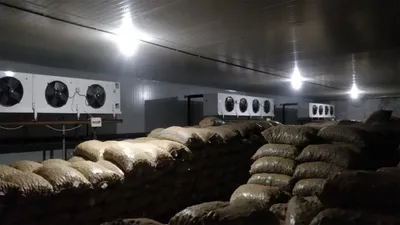
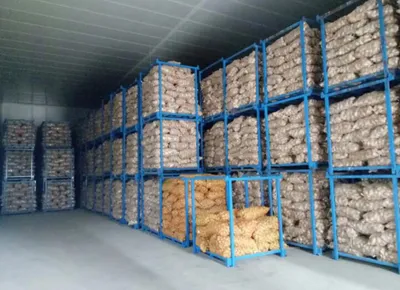
Potato accounts for nearly 65–70% of India’s cold storage utilisation, making it the backbone of the cold chain industry. From seed preservation to table stock and processing-grade storage, potato cold storages play a decisive role in farmer incomes, price stability, and food security. Yet, most facilities continue to operate on designs and practices established decades ago. In today’s volatile agri-market environment, modernisation of potato cold storages is no longer a choice—it is a necessity.
1. Why Potato Cold Storages Must Modernise Now
Potato farming and marketing have changed significantly:
a. Higher seed costs and greater dependence on cold storage for seed viability.
b. Increased price volatility and delayed market arrivals
c. Rising electricity tariffs and labour shortages.
d. Growing demand from processors, exporters, and organised buyers for consistent quality.
Traditional “store and wait” models expose cold storage owners to utilisation risk, farmer dissatisfaction, and margin pressure.
2. Energy Efficiency: Protecting Margins in Potato Storage.
Energy is the single largest operating cost for potato cold storages. Modern solutions can deliver immediate impact:
a. High-efficiency compressors and VFD-driven systems to match variable load.
b. Improved insulation, dock sealing, and door automation to reduce temperature loss.
c. Solar rooftop and hybrid power systems, particularly effective during peak season.
d. Smart energy monitoring to track unit-wise and batch-wise consumption.
Well-implemented upgrades can reduce power costs by 20–30%, directly improving profitability during long storage cycles.
3. Precision Storage for Seed & Table Potatoes
Potato is a living crop.
Small deviations in temperature or humidity directly impact:
a. Seed dormancy and sprouting behaviour
b. Weight loss and shrinkage.
c. Sugar buildup affecting processing quality.
Modern potato cold storages are adopting:
• Zoned chambers for seed, table, and processing potatoes
• IoT-based temperature and humidity sensors
• Automated ventilation and CO₂ control
• Digital batch records linked to farmer lots
This ensures better seed performance, higher recovery, and reduced disputes.
4. From Storage Rent to Value-Added Services.
The future of potato cold storage lies in becoming a service hub, not just a rental space. Opportunities include:
a. Seed grading and conditioning services
b. Inventory visibility and digital stock statements for farmers and traders.
c. Linkages with processors, exporters, and organised buyers.
d. Facilitation of finance against stored potato stocks
Digital platforms enable better discovery of cold storage capacity and structured enquiry management, improving year-round utilisation.
5. Reducing Overdependence on Single Crop Cycles
Excessive dependence on one potato season exposes owners to risk. Modern designs allow:
a. Flexible chambers for onions, fruits, or seed storage post potato season
b. Modular expansion and retrofitting without major shutdowns
c. Improved utilisation beyond the traditional storage window
This diversification strengthens financial resilience.
6. Industry Collaboration & Policy Alignment.
Technology adoption must be supported by:
a. Standard operating benchmarks for potato storage
b. Training programs for operators and technicians
c. Easier access to finance for retrofitting and solar adoption
d. Industry-level digital integration to improve transparency
Associations have a critical role in guiding members through this transition.
Conclusion: Building the Next Generation of Potato Cold Storages
Potato cold storages are no longer passive warehouses—they are active enablers of farmer prosperity and market efficiency. By embracing energy efficiency, precision storage, digital intelligence, and value-added services, the industry can move from survival mode to sustainable growth.
The cold storage that modernises today will define India’s potato value chain tomorrow.
Potato accounts for nearly 65–70% of India’s cold storage utilisation, making it the backbone of the cold chain industry. From seed preservation to table stock and processing-grade storage, potato cold storages play a decisive role in farmer incomes, price stability, and food security. Yet, most facilities continue to operate on designs and practices established decades ago. In today’s volatile agri-market environment, modernisation of potato cold storages is no longer a choice—it is a necessity.
1. Why Potato Cold Storages Must Modernise Now
Potato farming and marketing have changed significantly:
a. Higher seed costs and greater dependence on cold storage for seed viability.
b. Increased price volatility and delayed market arrivals
c. Rising electricity tariffs and labour shortages.
d. Growing demand from processors, exporters, and organised buyers for consistent quality.
Traditional “store and wait” models expose cold storage owners to utilisation risk, farmer dissatisfaction, and margin pressure.
2. Energy Efficiency: Protecting Margins in Potato Storage.
Energy is the single largest operating cost for potato cold storages. Modern solutions can deliver immediate impact:
a. High-efficiency compressors and VFD-driven systems to match variable load.
b. Improved insulation, dock sealing, and door automation to reduce temperature loss.
c. Solar rooftop and hybrid power systems, particularly effective during peak season.
d. Smart energy monitoring to track unit-wise and batch-wise consumption.
Well-implemented upgrades can reduce power costs by 20–30%, directly improving profitability during long storage cycles.
3. Precision Storage for Seed & Table Potatoes
Potato is a living crop.
Small deviations in temperature or humidity directly impact:
a. Seed dormancy and sprouting behaviour
b. Weight loss and shrinkage.
c. Sugar buildup affecting processing quality.
Modern potato cold storages are adopting:
• Zoned chambers for seed, table, and processing potatoes
• IoT-based temperature and humidity sensors
• Automated ventilation and CO₂ control
• Digital batch records linked to farmer lots
This ensures better seed performance, higher recovery, and reduced disputes.
4. From Storage Rent to Value-Added Services.
The future of potato cold storage lies in becoming a service hub, not just a rental space. Opportunities include:
a. Seed grading and conditioning services
b. Inventory visibility and digital stock statements for farmers and traders.
c. Linkages with processors, exporters, and organised buyers.
d. Facilitation of finance against stored potato stocks
Digital platforms enable better discovery of cold storage capacity and structured enquiry management, improving year-round utilisation.
5. Reducing Overdependence on Single Crop Cycles
Excessive dependence on one potato season exposes owners to risk. Modern designs allow:
a. Flexible chambers for onions, fruits, or seed storage post potato season
b. Modular expansion and retrofitting without major shutdowns
c. Improved utilisation beyond the traditional storage window
This diversification strengthens financial resilience.
6. Industry Collaboration & Policy Alignment.
Technology adoption must be supported by:
a. Standard operating benchmarks for potato storage
b. Training programs for operators and technicians
c. Easier access to finance for retrofitting and solar adoption
d. Industry-level digital integration to improve transparency
Associations have a critical role in guiding members through this transition.
Conclusion: Building the Next Generation of Potato Cold Storages
Potato cold storages are no longer passive warehouses—they are active enablers of farmer prosperity and market efficiency. By embracing energy efficiency, precision storage, digital intelligence, and value-added services, the industry can move from survival mode to sustainable growth.
The cold storage that modernises today will define India’s potato value chain tomorrow.
Tags
#SmartPotatoColdStorage#EnergyEfficientColdChain#FutureOfPotatoStorage#PotatoValueChain