Farming (Agronomy)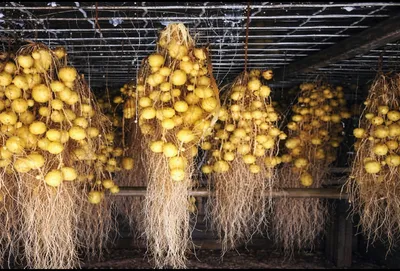
Minitubers: The Future of High-Yield Potato Farming
Minitubers: The Future of High-Yield Potato Farming
8 January 2026
Minitubers: The Future of High-Yield Potato Farming In the competitive world of potato farming, the quality of your "starting material" determines your final profit. While many farmers rely on traditional farm-saved seeds, a technological shift is occurring with Minitubers. Though they carry a higher upfront cost, they are the gold standard for high-yield, professional potato production. What are Minitubers and How are They Grown? Minitubers are small, high-quality seed potatoes (typically 5–25 mm in diameter) that serve as the first generation of potato growth outside a laboratory. They are produced in controlled, soil-free environments to ensure they are 100% pathogen-free. The process begins with microtubers—tiny tubers (0.1-1.0 g) grown in vitro from tissue-cultured plantlets under sterile conditions. These microtubers are then used as the starting material in protected environments like aeroponic systems. The growth process involves several technical steps: Virus-Free Mother Plants: Meristem or nodal explants from elite varieties are cultured on Murashige and Skoog (MS) medium. Shoot Multiplication: Rapid multiplication occurs under aseptic conditions using shoot-promoting hormones like cytokinins. Microtuber Induction: Shoots move to a high-sucrose (6–8%) medium under dark or short-day conditions to induce tuberization. Harvesting and Storage: Microtubers are harvested after 6–8 weeks and stored at 4°C for later use. Aeroponic Growth: These microtubers are then grown in aeroponics, where plants have roots suspended in the air and are misted with nutrient solutions, achieving multiplication rates of up to 50 minitubers per plant. This method drastically shortens the seed production cycle compared to conventional field multiplication. Why Minitubers are Superior to Conventional Seeds Minitubers offer significant advantages over traditional seeds, which often deteriorate over six to eight generations of field multiplication due to the accumulation of viruses like PVY and PLRV. Disease-Free Performance: Produced from virus-indexed meristem tissue in sterile environments, they eliminate systemic viral and fungal infections like PVY, PVX, PLRV, PVS, and late blight. This results in vigorous, uniform plants with superior productivity. Genetic Purity: They develop through asexual propagation of a single genotype, ensuring 100% genetic stability and predictable performance. Year-Round Availability: Production in controlled environments is independent of climate, allowing for stable supply and flexible planting schedules regardless of season or rainfall. Logistical Ease: Their small, durable size makes them easier to store in refrigerated conditions (2-6°C) and transport with a lower risk of mechanical damage and lower costs. Reduced Field Exposure: Because early multiplication happens in protected environments, exposure to aphid-borne viruses and soil pathogens is minimized, improving the health longevity of the seed. The Economic Trade-Off: Is the Higher Cost Worth It? The primary hesitation for many farmers is the high initial cost of minitubers compared to conventional seeds. However, the economic benefits often outweigh the initial investment. The Cost Factor: High-quality seed costs can be 20-25% higher than traditional saved seeds, reflecting the investment in lab infrastructure and technical manpower. The Yield Gain: Using disease-free seed can increase overall productivity by 25–30%. By starting with "clean" material, farmers reset the biological clock of the potato, avoiding the 30-40% yield losses typical of seed degeneration. Input Savings: Healthy plants derived from minitubers have higher vigor and lower disease pressure, reducing the financial burden of intensive pesticide applications and vector control. Long-Term Value: The harvest serves as high-quality foundation seed for subsequent seasons, reducing long-term dependence on expensive imported seeds and ensuring a self-reliant system. Resource Efficiency: This technology requires less land and water compared to conventional systems, promoting sustainability. In summary, while the price per unit is higher, the investment in minitubers pays for itself through massive yield increases, reduced chemical costs, and the security of a healthy, marketable crop.
Tags
#PotatoFarming#MinituberTechnology#Aeroponics